Category:
K-Drama4 Messy Situations in Dream to You Episodes 5-6
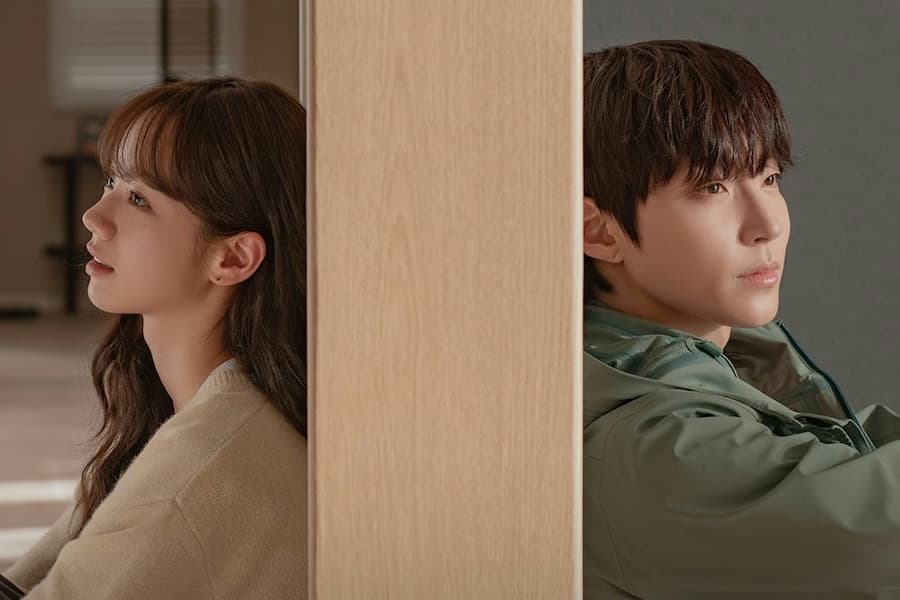
"Dream to You" is building momentum as it approaches the midpoint of its first season, delivering a whirlwind of emotional turbulence that keeps viewers perpetually on edge. The recent episodes have masterfully balanced comedic relief with deeply troubling character moments, creating a viewing experience that oscillates between laughter and genuine heartache. If you've been following this K-drama, you know that episodes 5-6 have introduced some seriously complicated situations that will have massive ripple effects for the rest of the series. Let's dive into the four most significant messy moments that defined these pivotal episodes. 🎬✨
The Devastating Cycle of Parental Abuse 💔
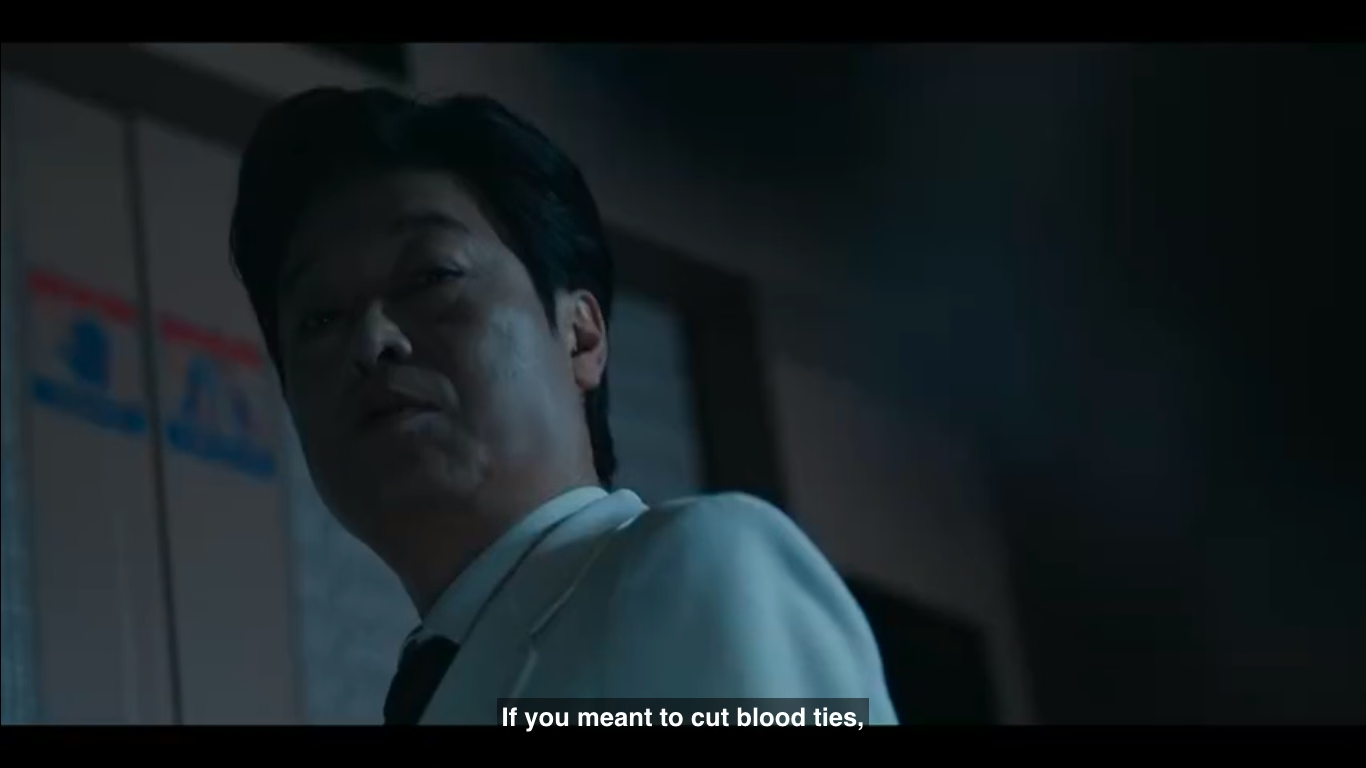
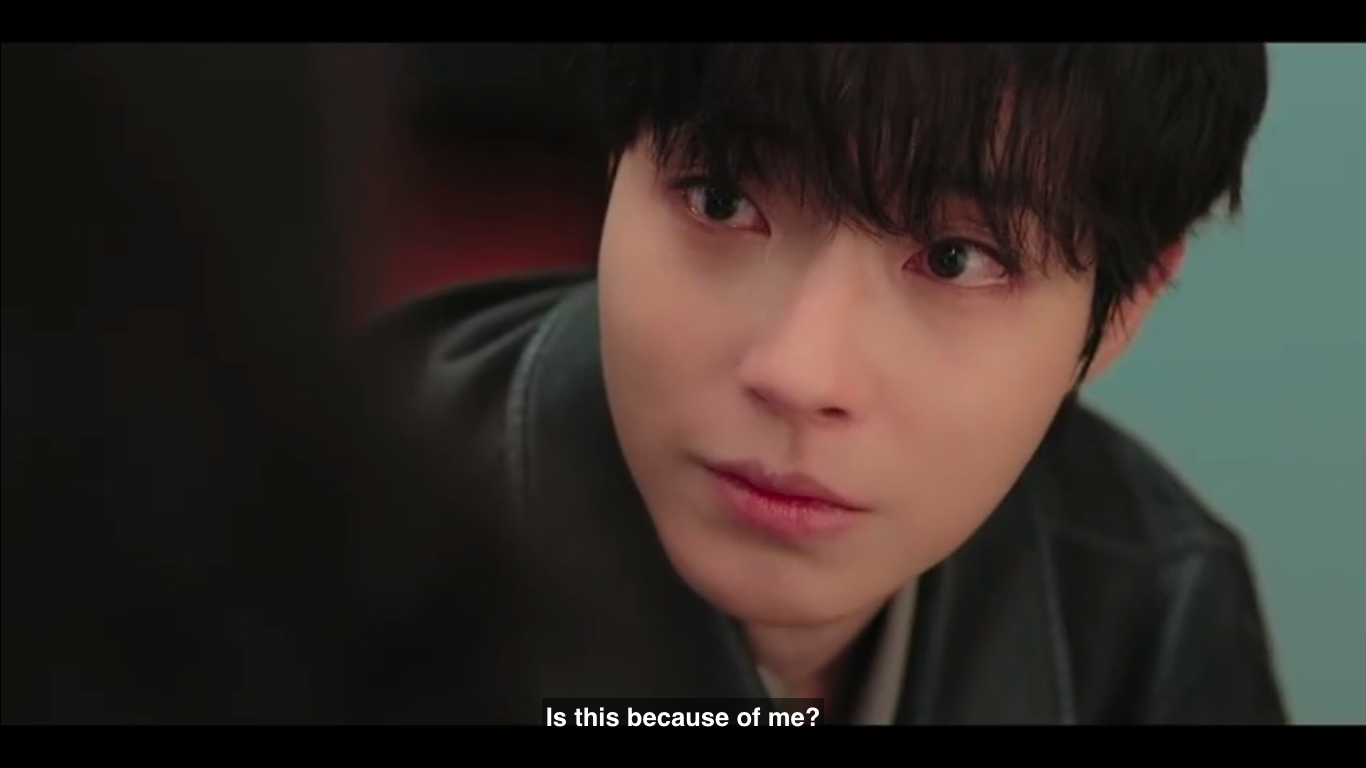
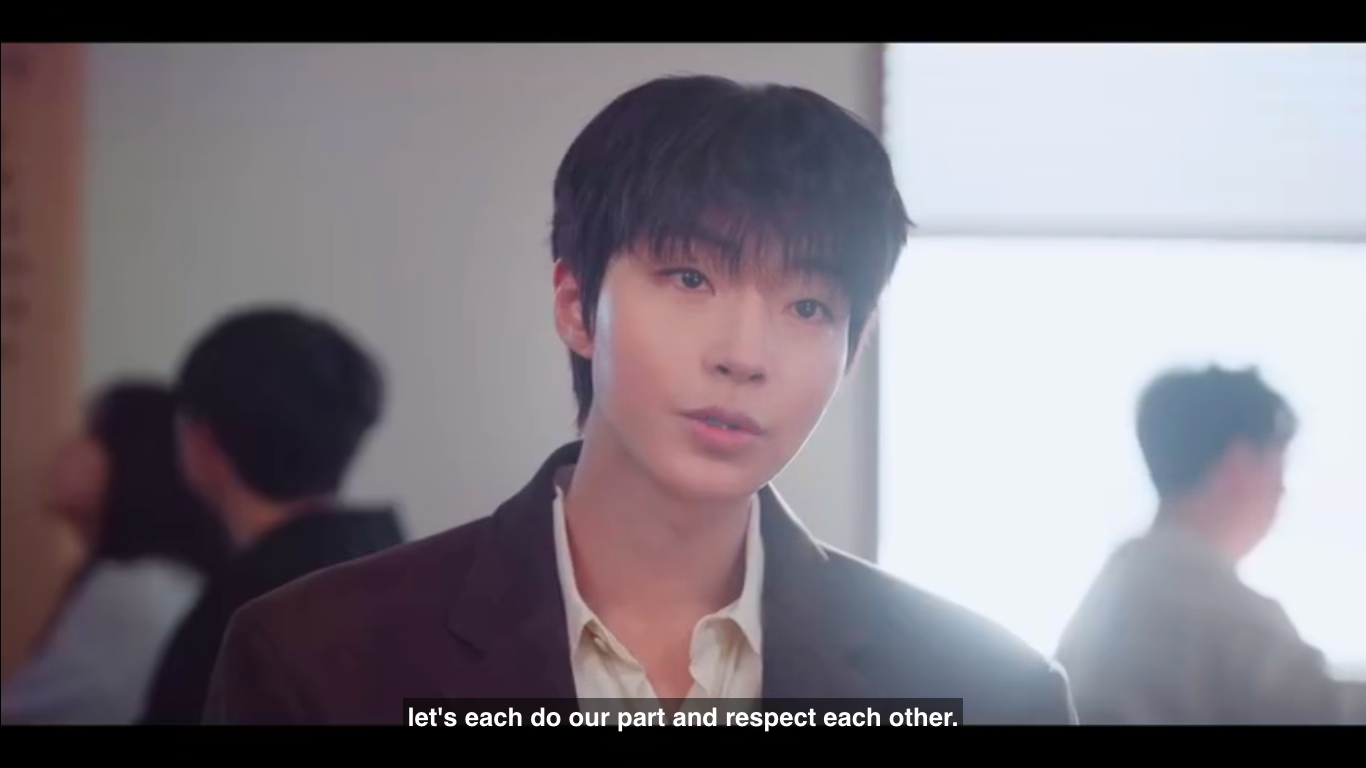
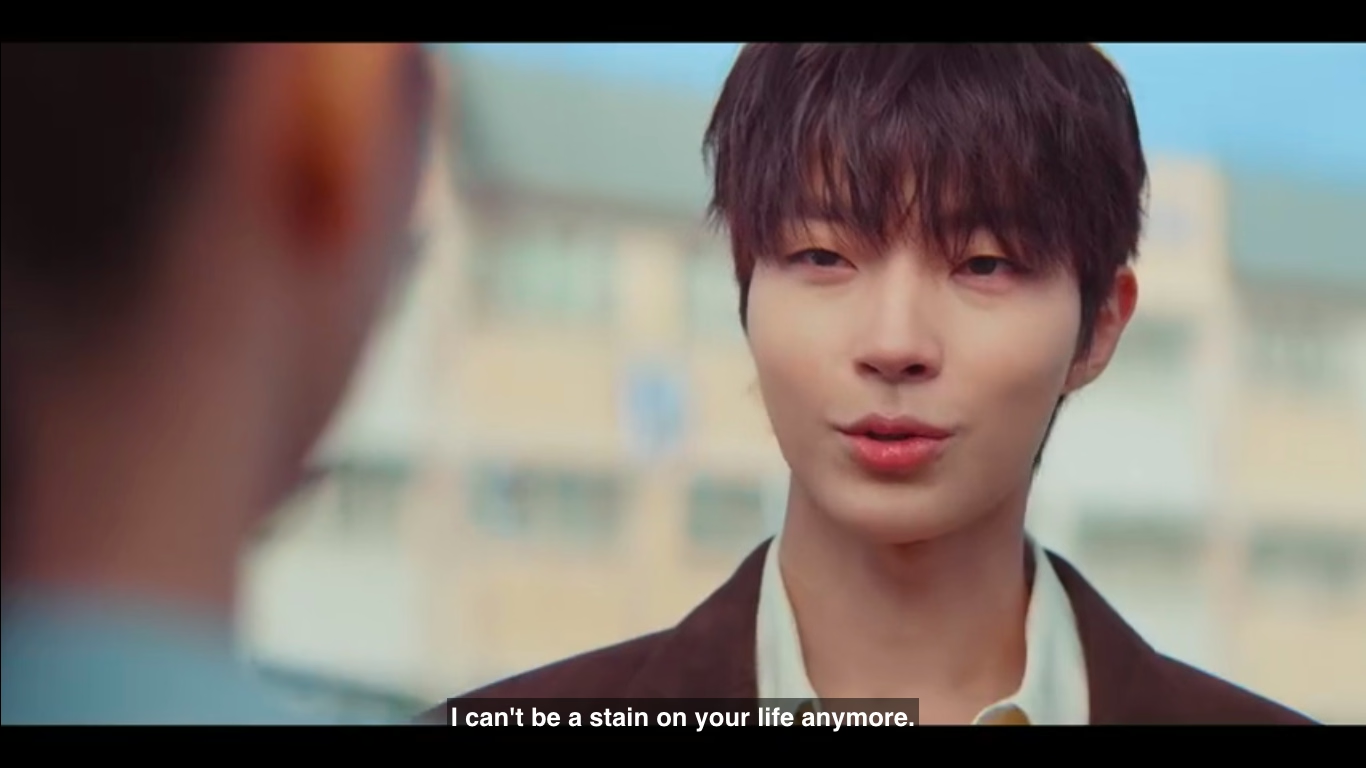
The most gut-wrenching storyline centers on Woo Soo Bin's traumatic relationship with his father. While viewers had already learned about his troubled childhood, witnessing him spiral when his father reappears is absolutely devastating. What makes this situation particularly unbearable is that the father doesn't need to say or do anything overtly cruel—his mere presence becomes a psychological trigger that sends Woo Soo Bin into a downward spiral of self-doubt and self-loathing.
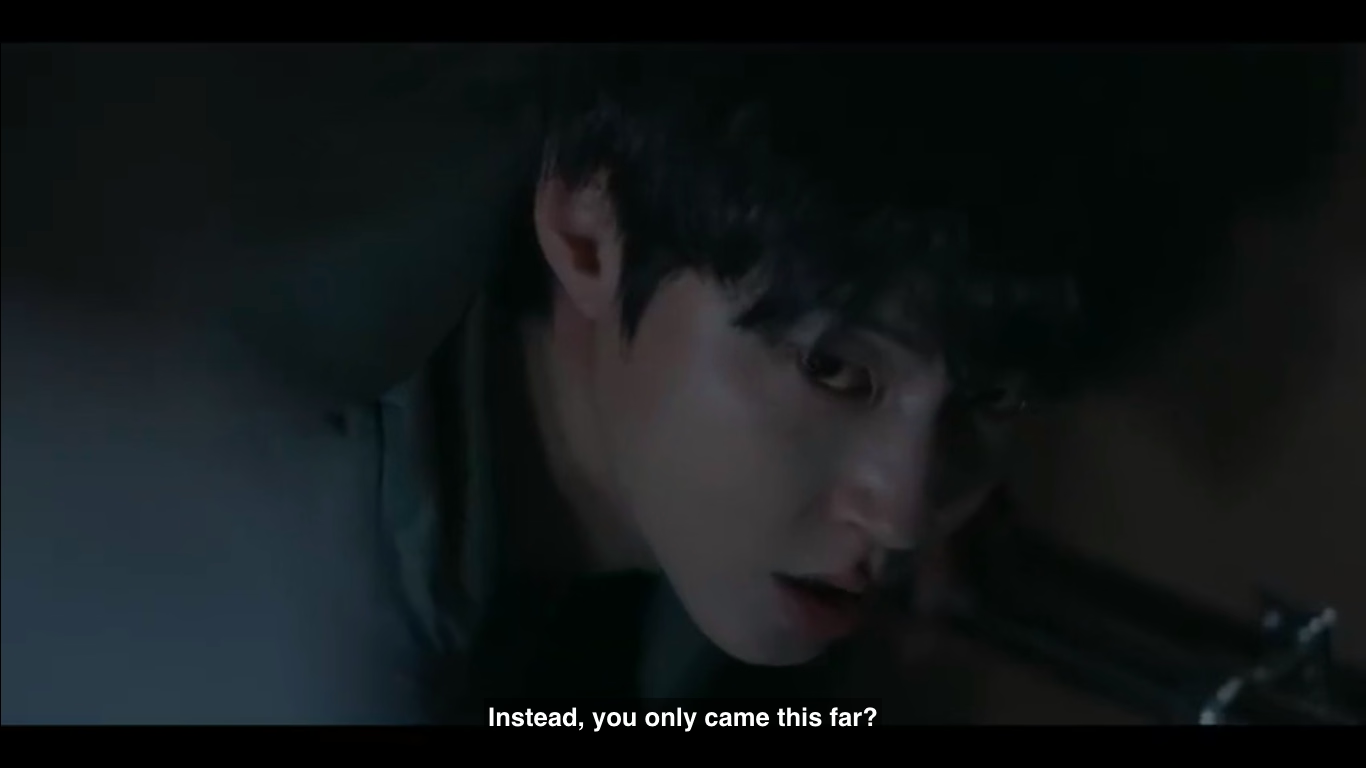
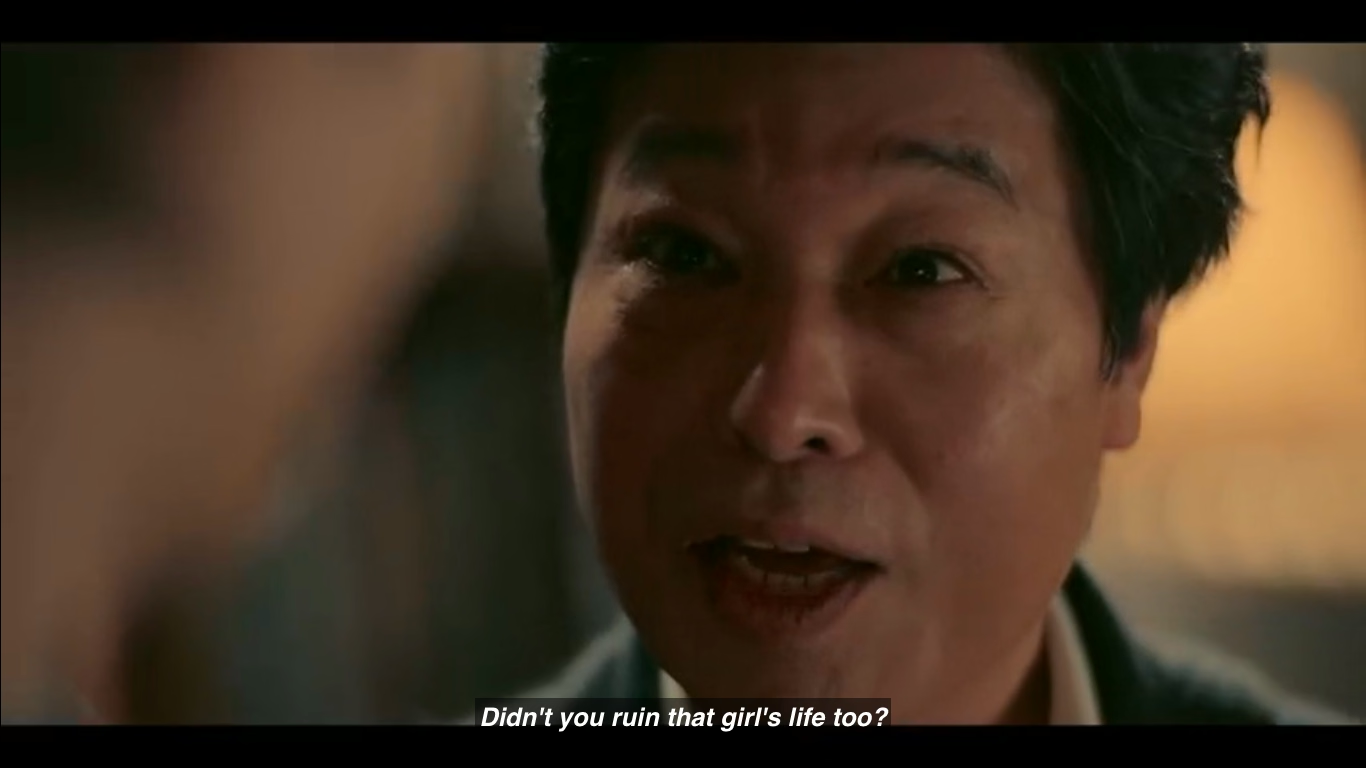
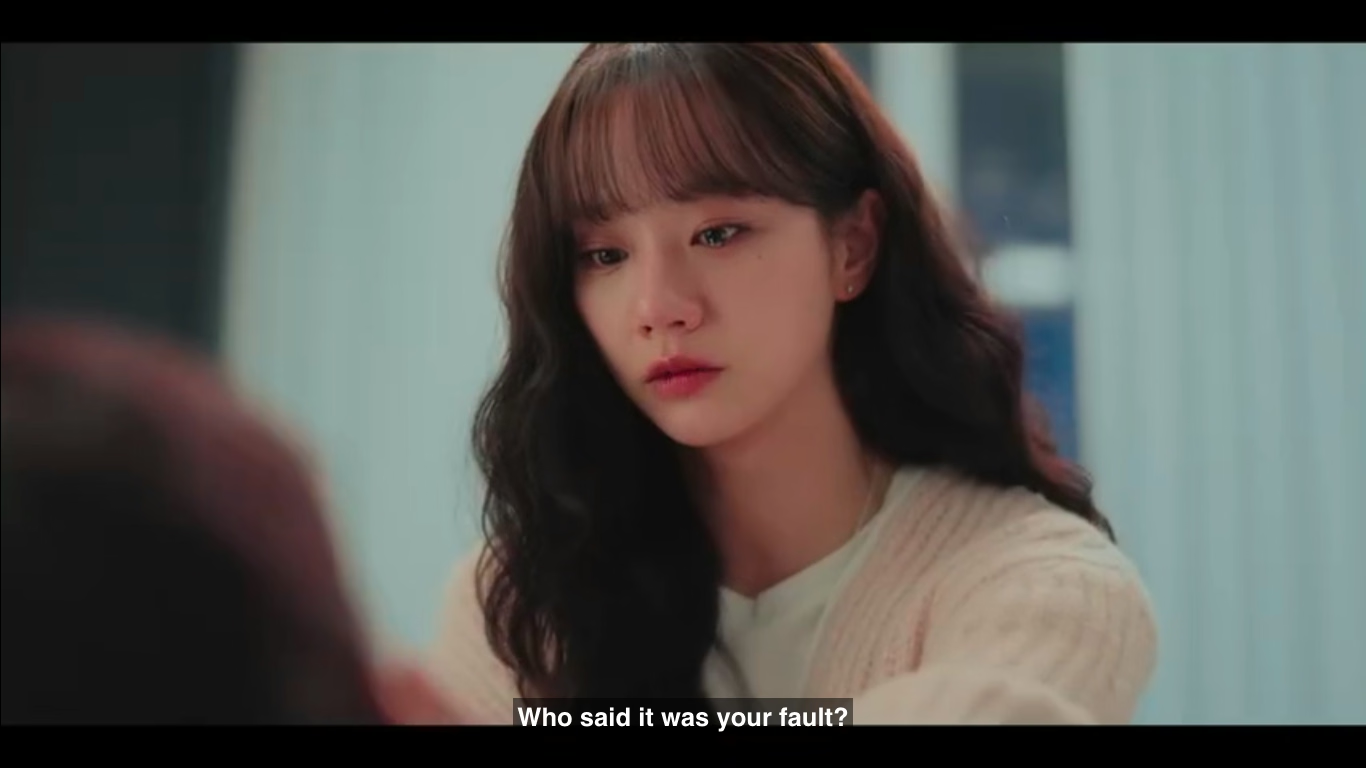
The cruelty intensifies when the father weaponizes information about Ju Yi Jae's past accident, guilt-tripping Woo Soo Bin into believing he bears responsibility for events completely beyond his control. This is classic emotional manipulation—a parent leveraging their child's vulnerabilities to maintain psychological dominance. The tragedy here is that despite physically escaping his family situation, Woo Soo Bin remains psychologically imprisoned by the trauma they inflicted.
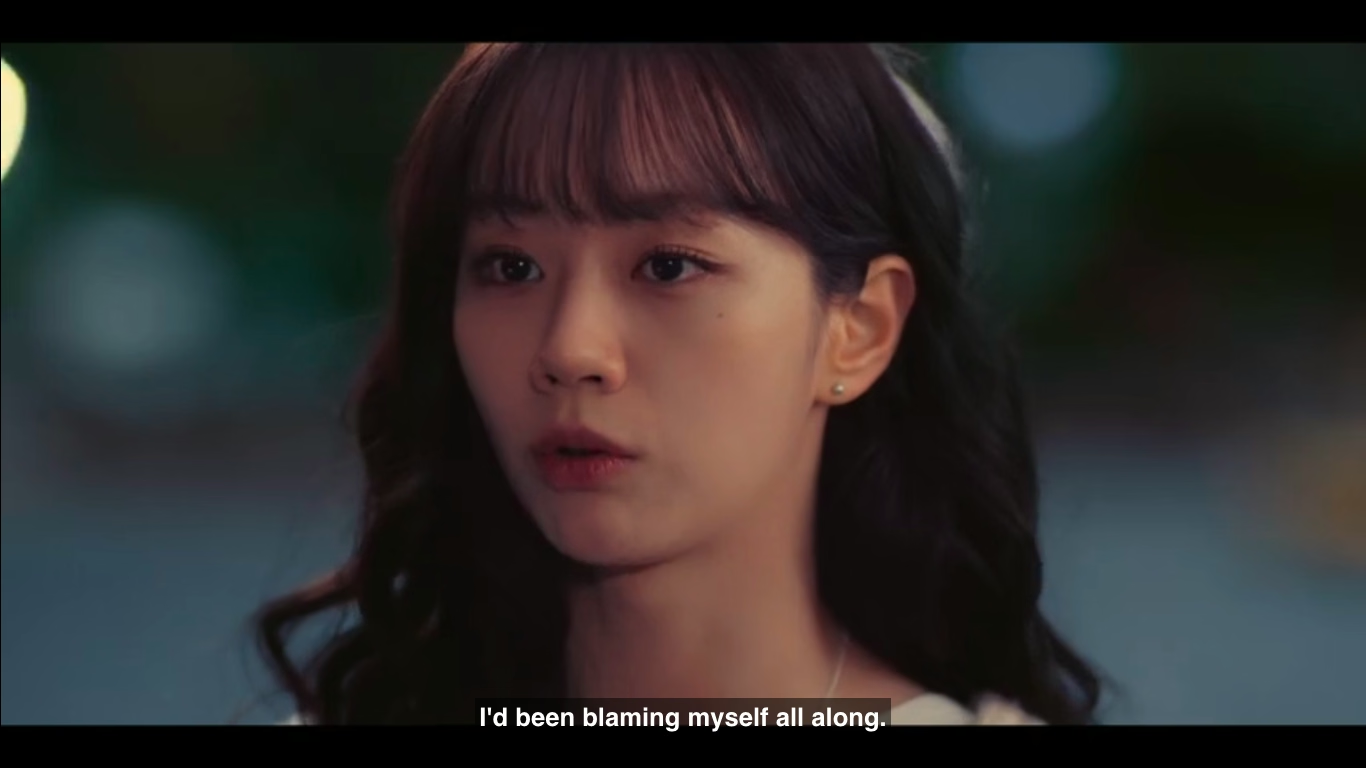
The silver lining comes through Ju Yi Jae's unwavering support. Her presence provides the emotional anchor he desperately needs, suggesting that healing from parental trauma requires genuine connection and unconditional acceptance. This dynamic highlights a critical theme in modern K-dramas: how toxic family systems can be counteracted through healthy relationships outside the family unit. 🌟
The Chaotic Romance Between Sa Rang and In Wook 🔥
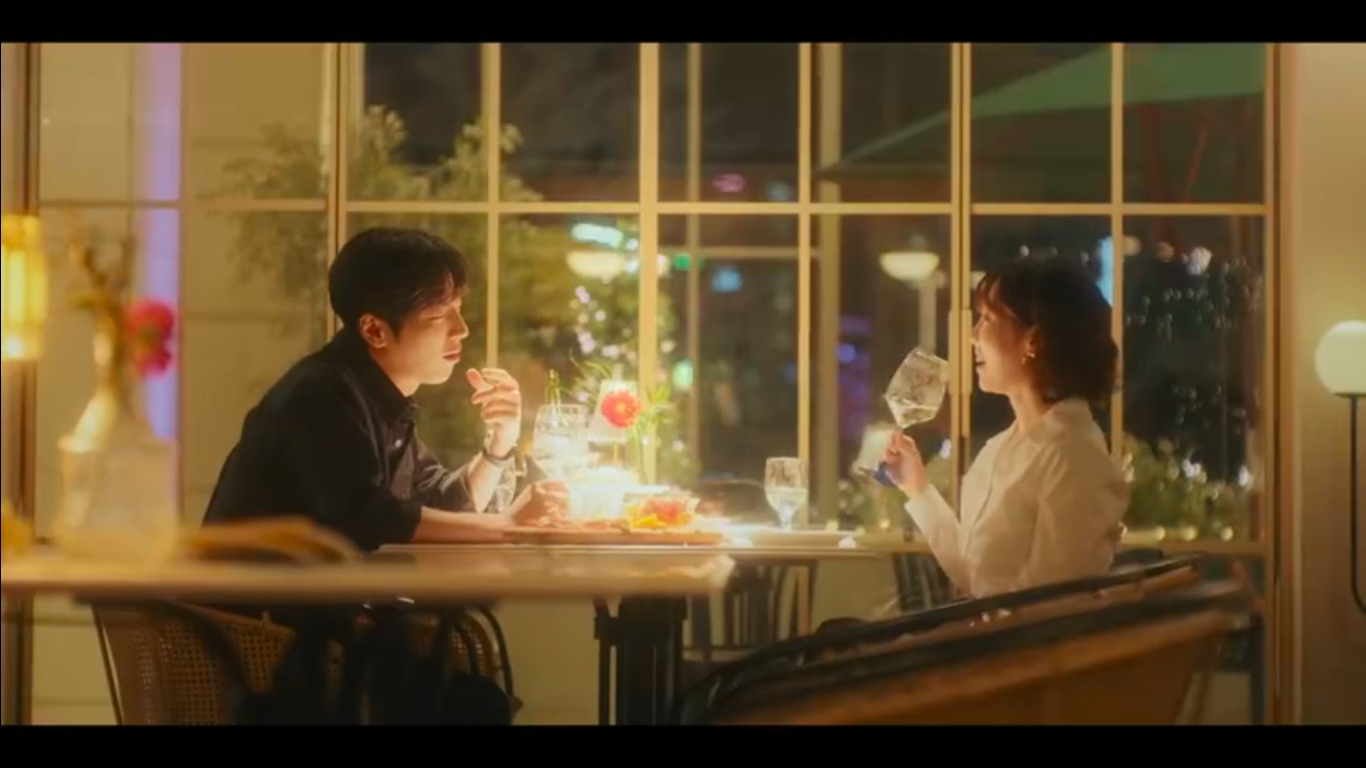
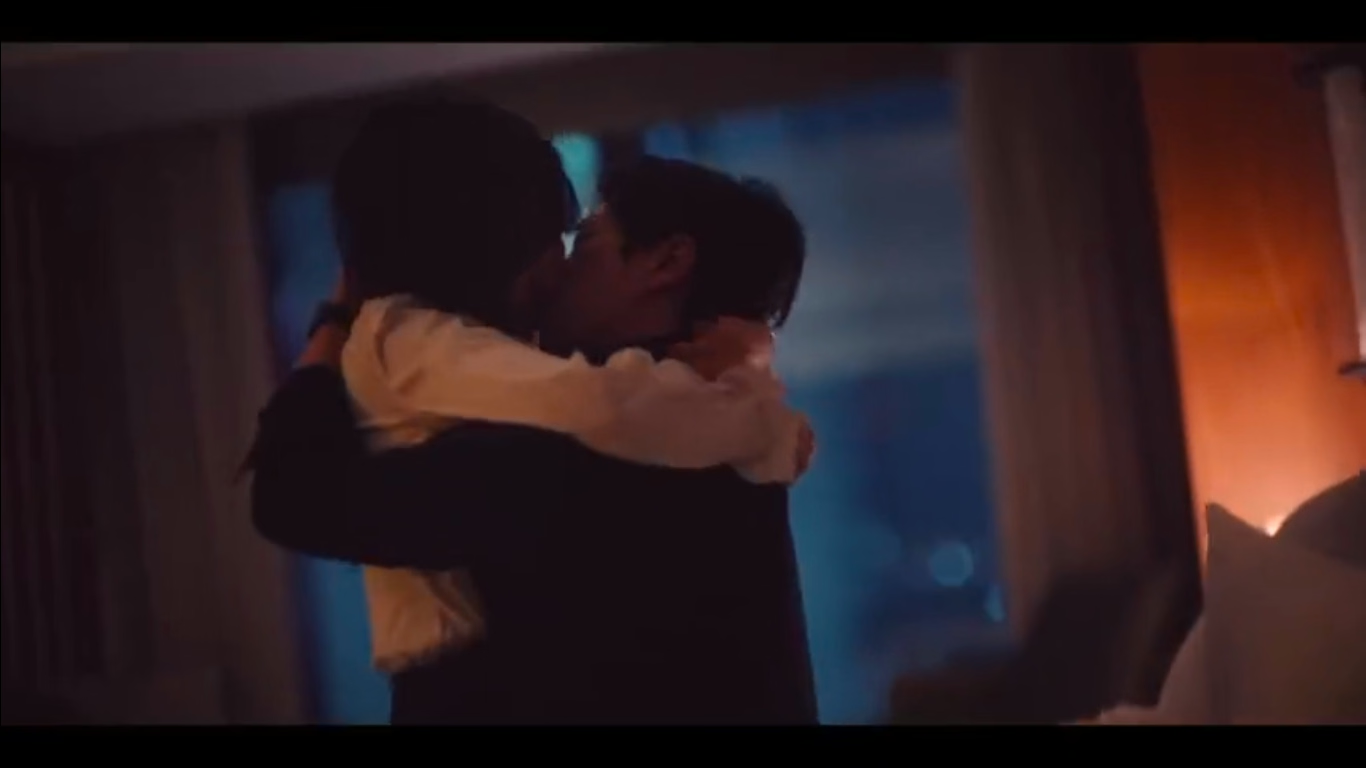
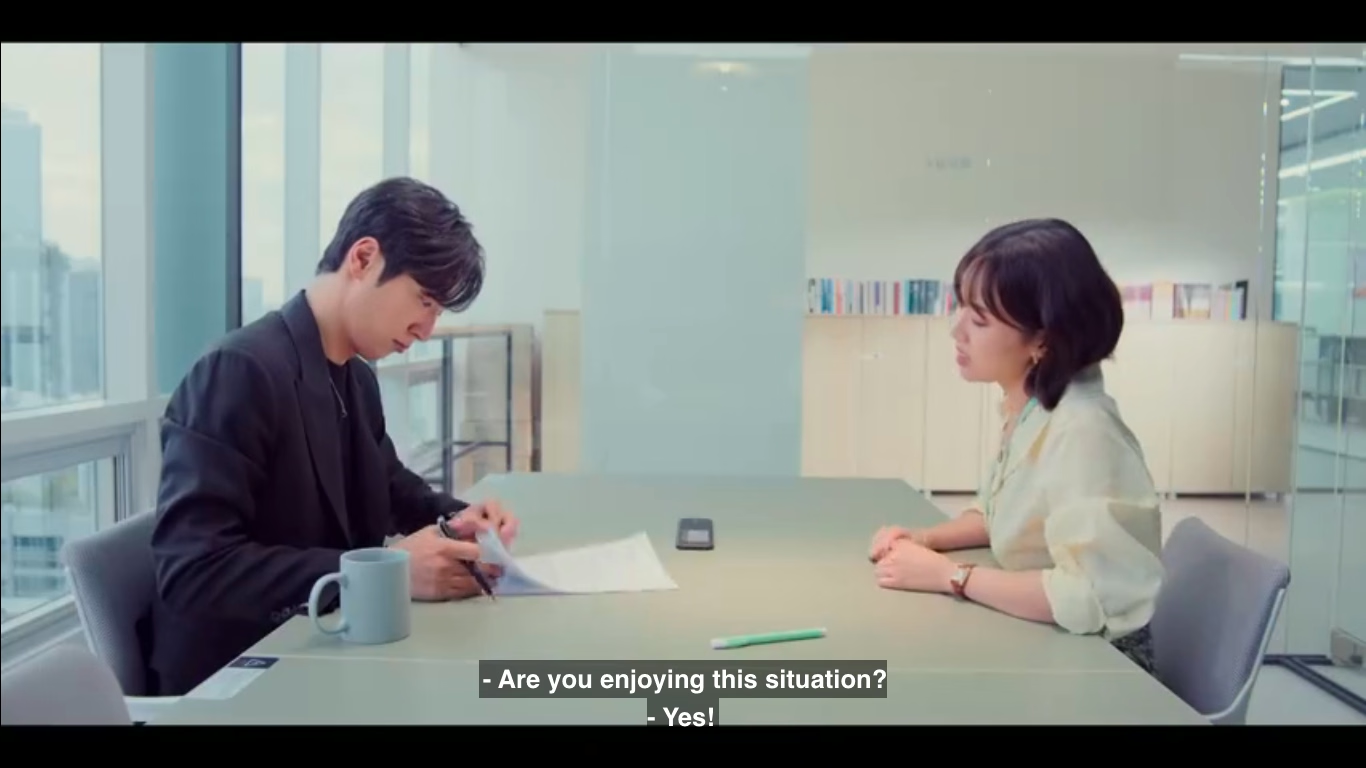
Just when things get too heavy, Choi Sa Rang and Seo In Wook inject some much-needed levity into the narrative. Sa Rang embodies the kind of female character that modern K-drama audiences adore—easygoing, straightforward, and refreshingly authentic. She doesn't play games or hide behind social masks; what you see is what you get.
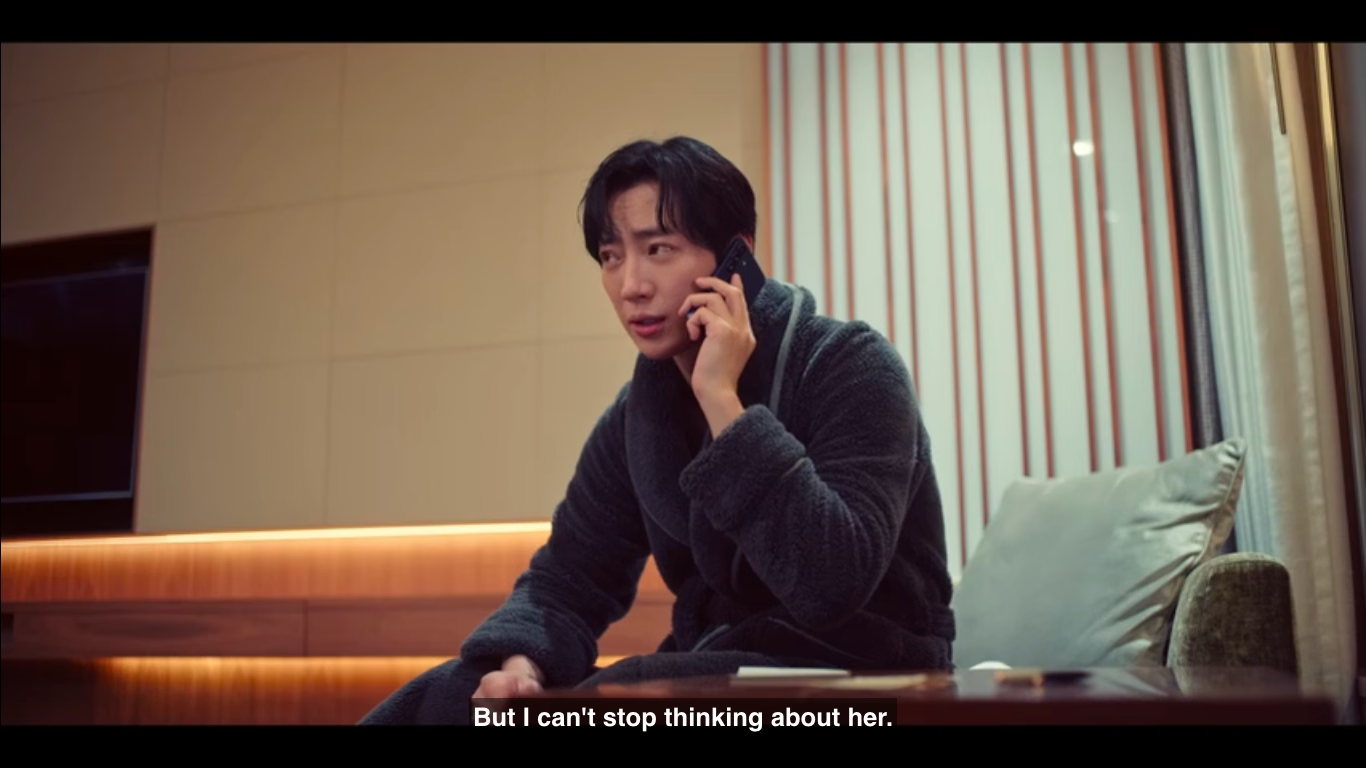
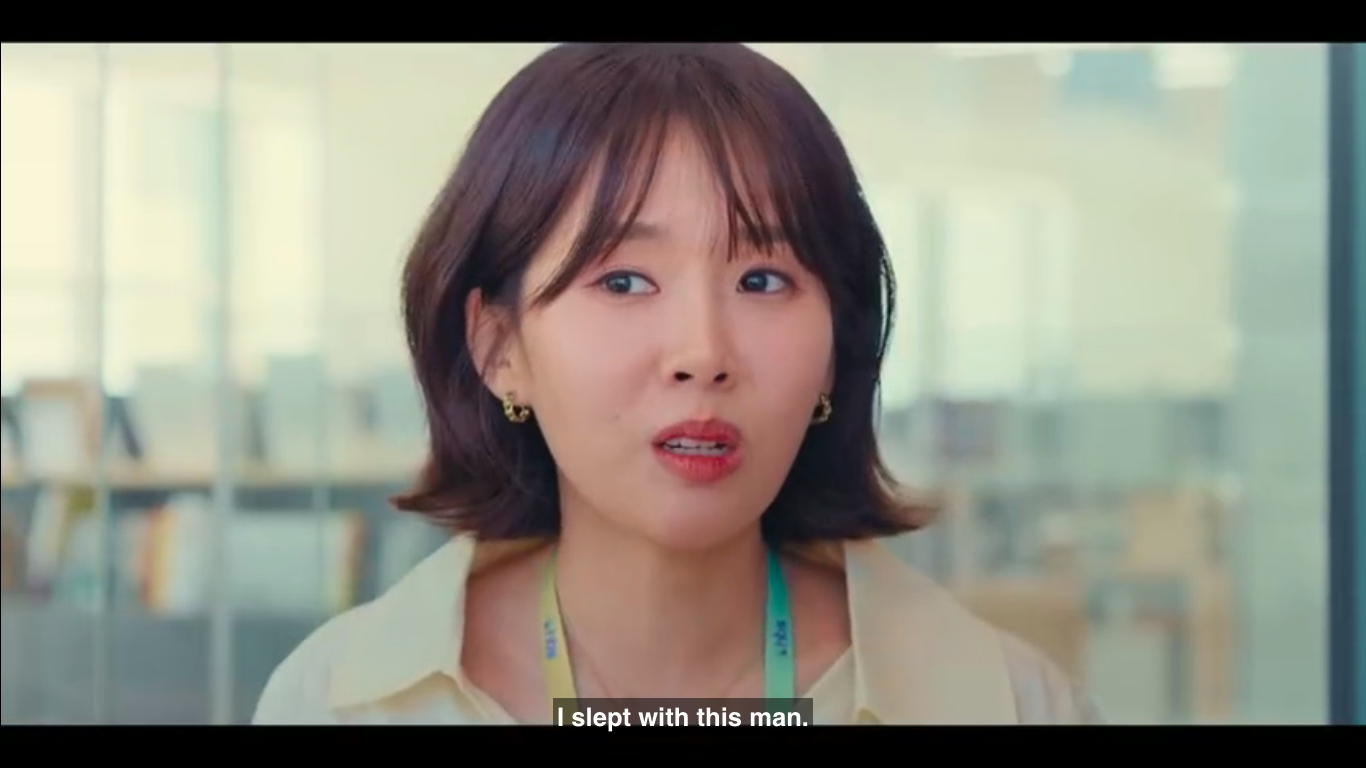
In Wook, conversely, presents as a confident, intellectually sharp man who thrives on challenges. Initially, he rejects Sa Rang's advances, but by their second encounter, they share an intensely passionate night together. This is where things take a delightfully chaotic turn—Sa Rang masterfully employs the ultimate power move by dumping him and blocking him immediately after their intimate encounter.
What makes this dynamic brilliant is that Sa Rang has essentially weaponized rejection against someone accustomed to always being in control. In Wook, clearly the type who typically engages in casual relationships without emotional investment, suddenly finds himself obsessed with someone who has slipped through his fingers. The reversal of power dynamics here is comedy gold, and it sets up an intriguing trajectory for their relationship as the series progresses. 💫
The Manipulative Mother: A New Level of Toxicity 😤
As if one abusive parent wasn't enough, the drama introduces Oh Ha Na's mother—a woman who has essentially turned her daughter into a living marionette. Throughout Ha Na's entire life, her mother has pulled the strings, forcing her to perform according to a script designed to satisfy her own vicarious ambitions. The mother lives through her daughter's career in entertainment, treating Ha Na's success as her own personal trophy.
What's particularly insidious is the mother's refusal to relinquish control even as Ha Na reaches adulthood. After years of compliance, Ha Na finally musters the courage to break free and exit the entertainment industry entirely. Her newfound resolve stems from a genuine friendship with Shim Yoo Geon, who provides the emotional support and validation she's never received from her own family.
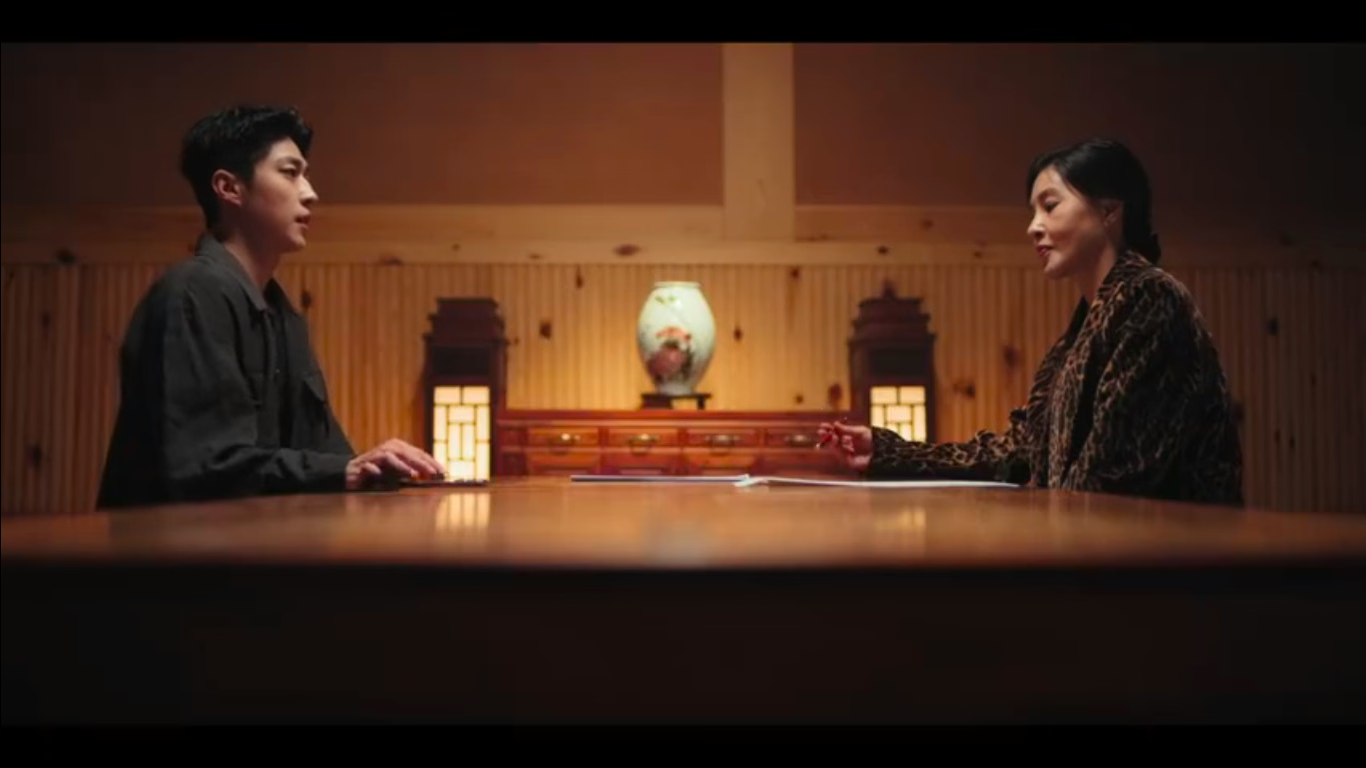
But here's where the mother's manipulation reaches new depths of depravity. She exploits Yoo Geon's legitimate aspirations as an actor, using his dreams as bait to force Ha Na back under her company's umbrella. By weaponizing someone Ha Na cares about, the mother demonstrates the sophisticated tactics that emotionally abusive parents employ to maintain dominance. This situation is far more complex than simple parental control—it's psychological warfare.
The potential romance between Ha Na and Yoo Geon shows genuine chemistry and promising potential, yet their connection is already being weaponized by parental manipulation. This storyline reflects a growing trend in K-dramas where toxic family dynamics become the central conflict rather than external antagonists. 🎭
The Ostracization of Ju Yi Jae from the Film Crew 💔
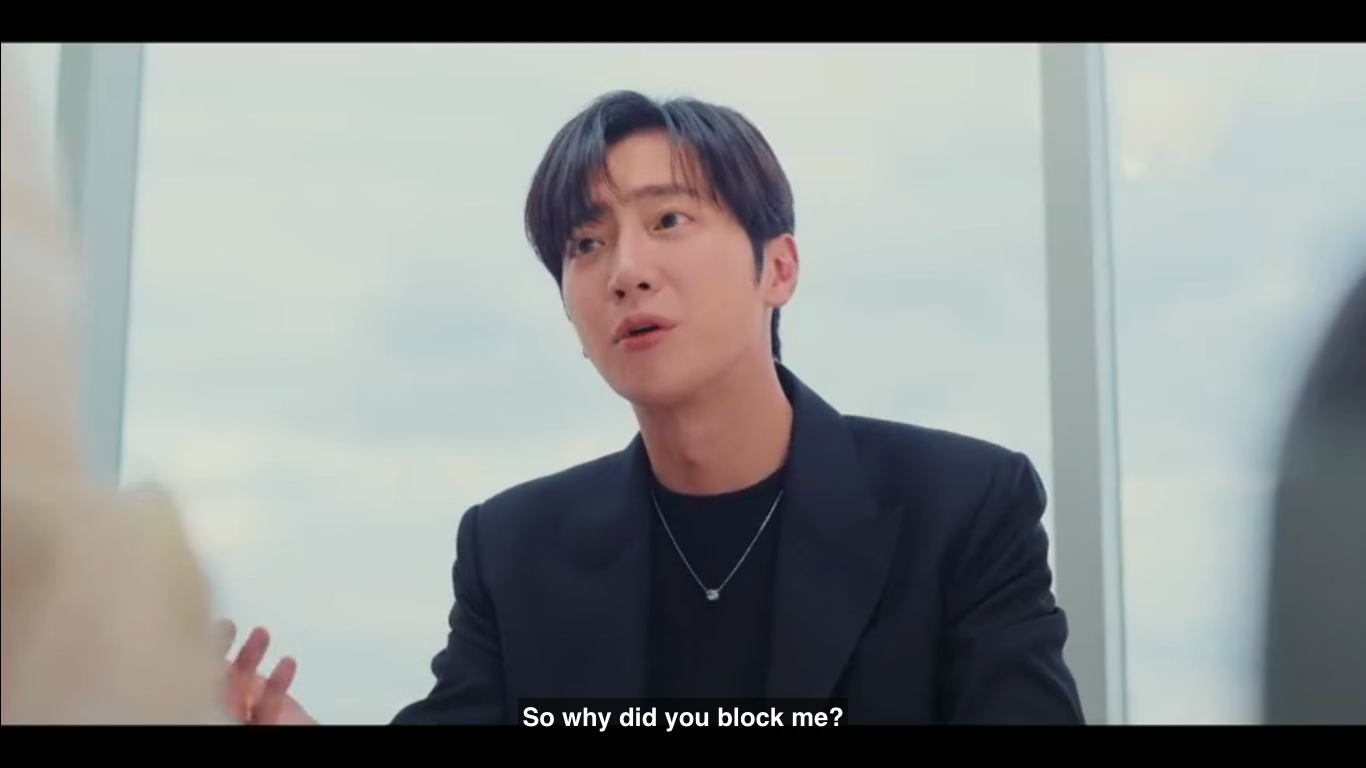
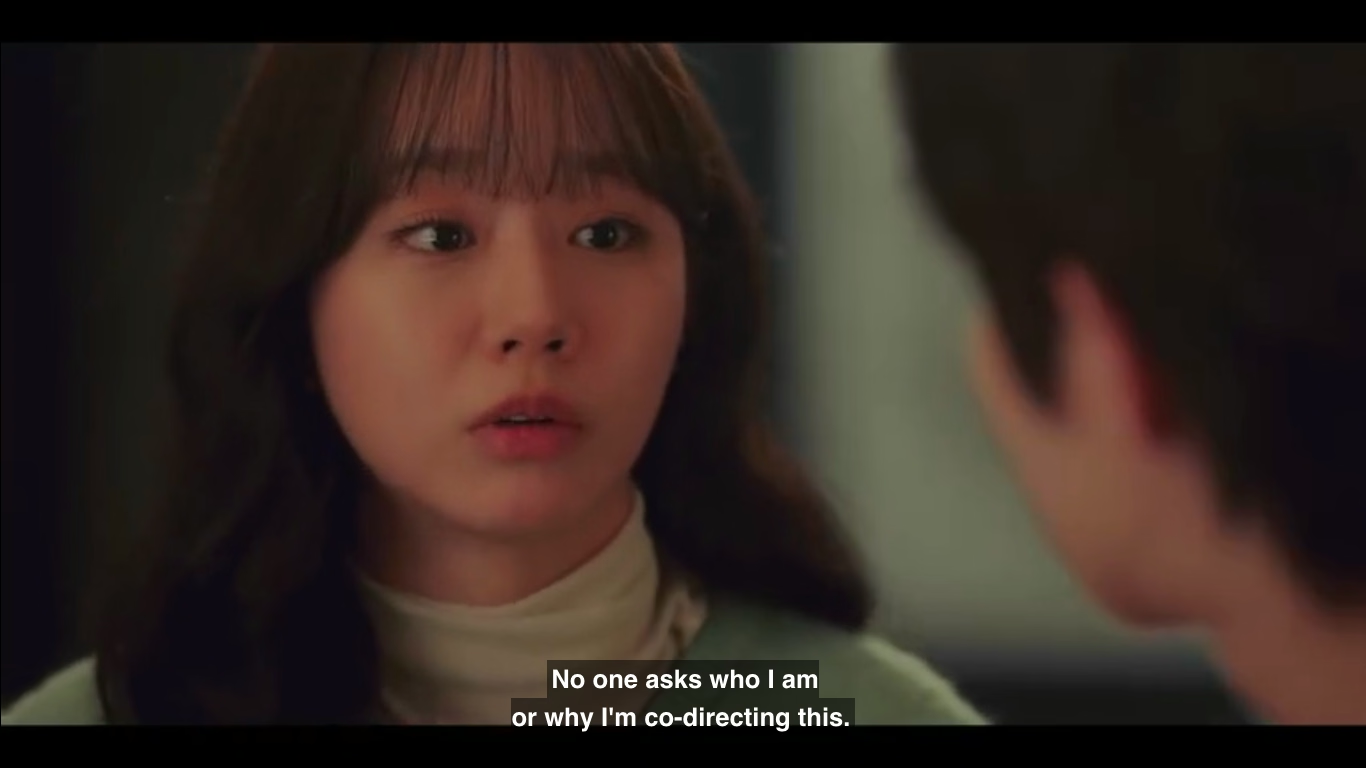
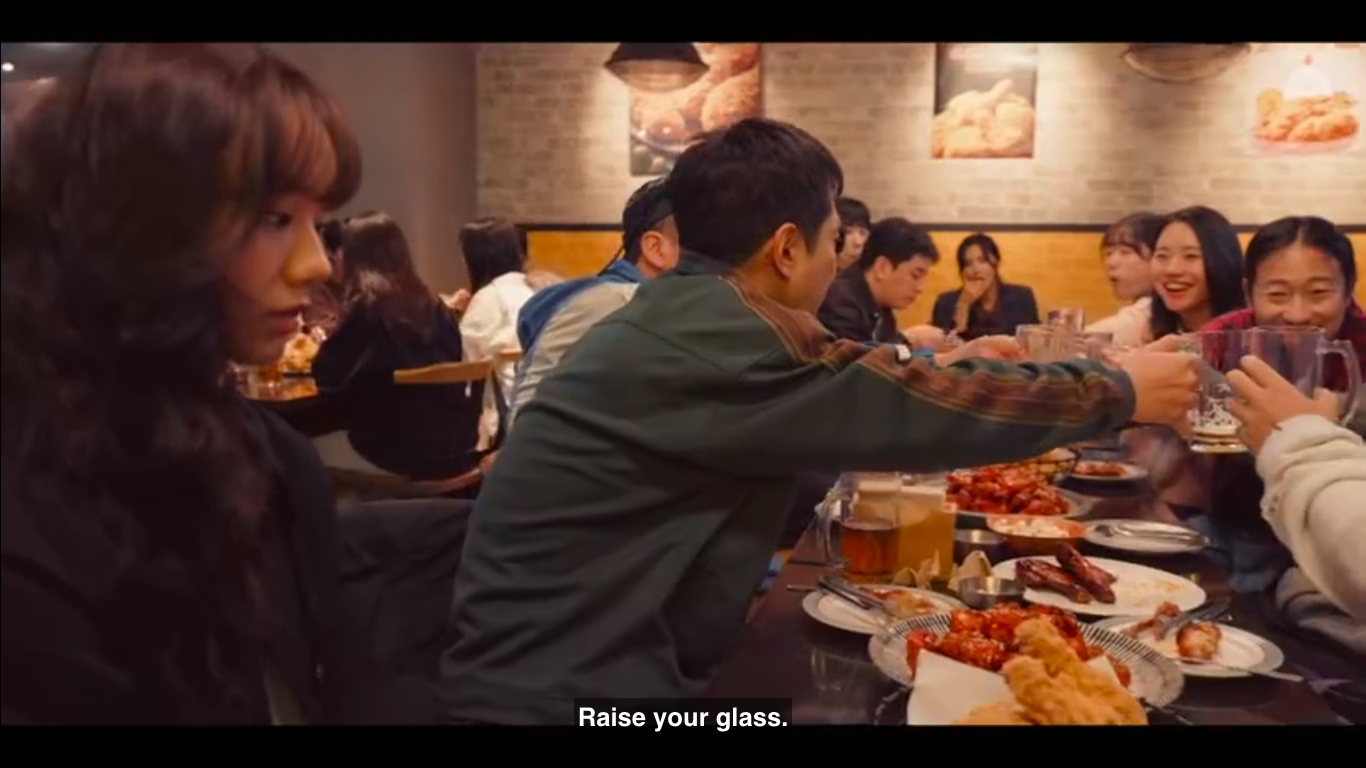
Despite successfully completing the script for her directorial debut film, Ju Yi Jae encounters a formidable obstacle: systematic ostracization from her own crew. The crew's prejudgment of her based on her background reveals how deeply class consciousness and social bias permeate the entertainment industry, even among supposedly progressive creative professionals.
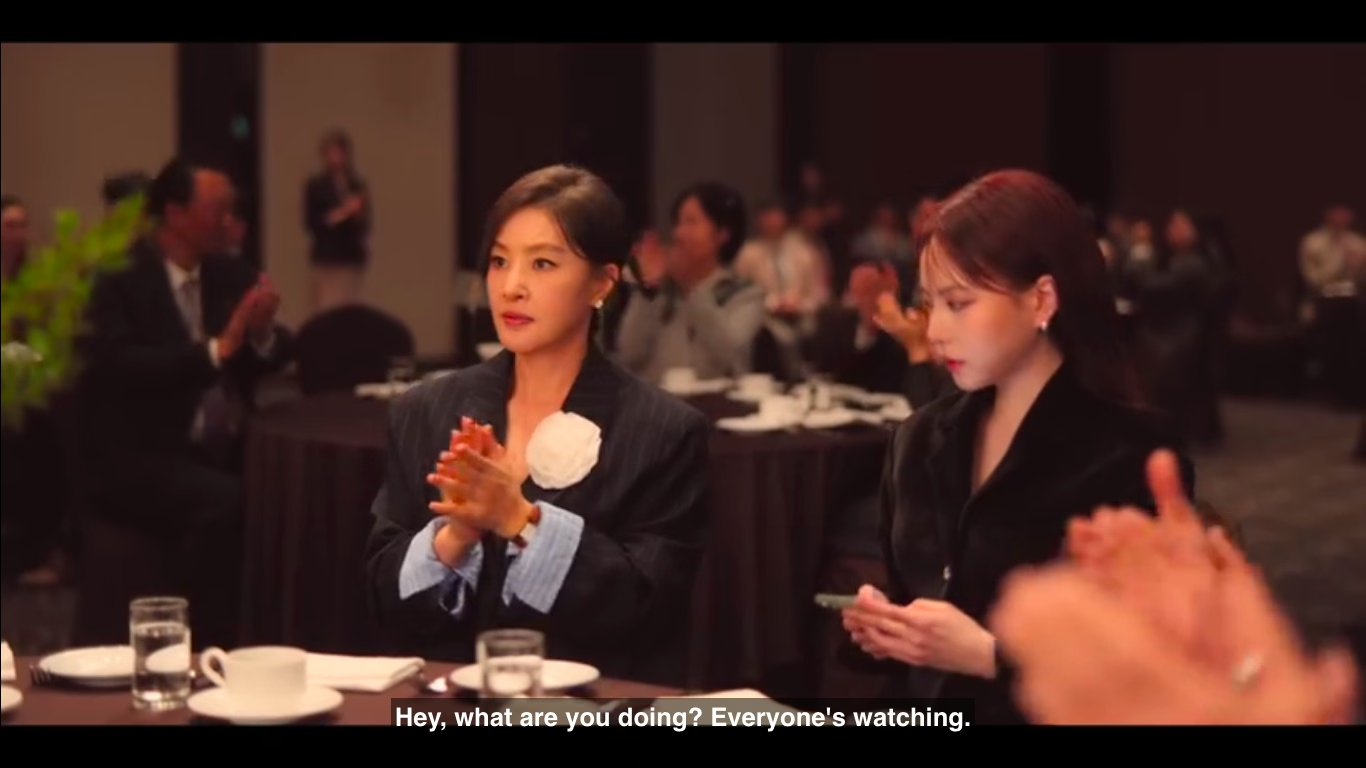
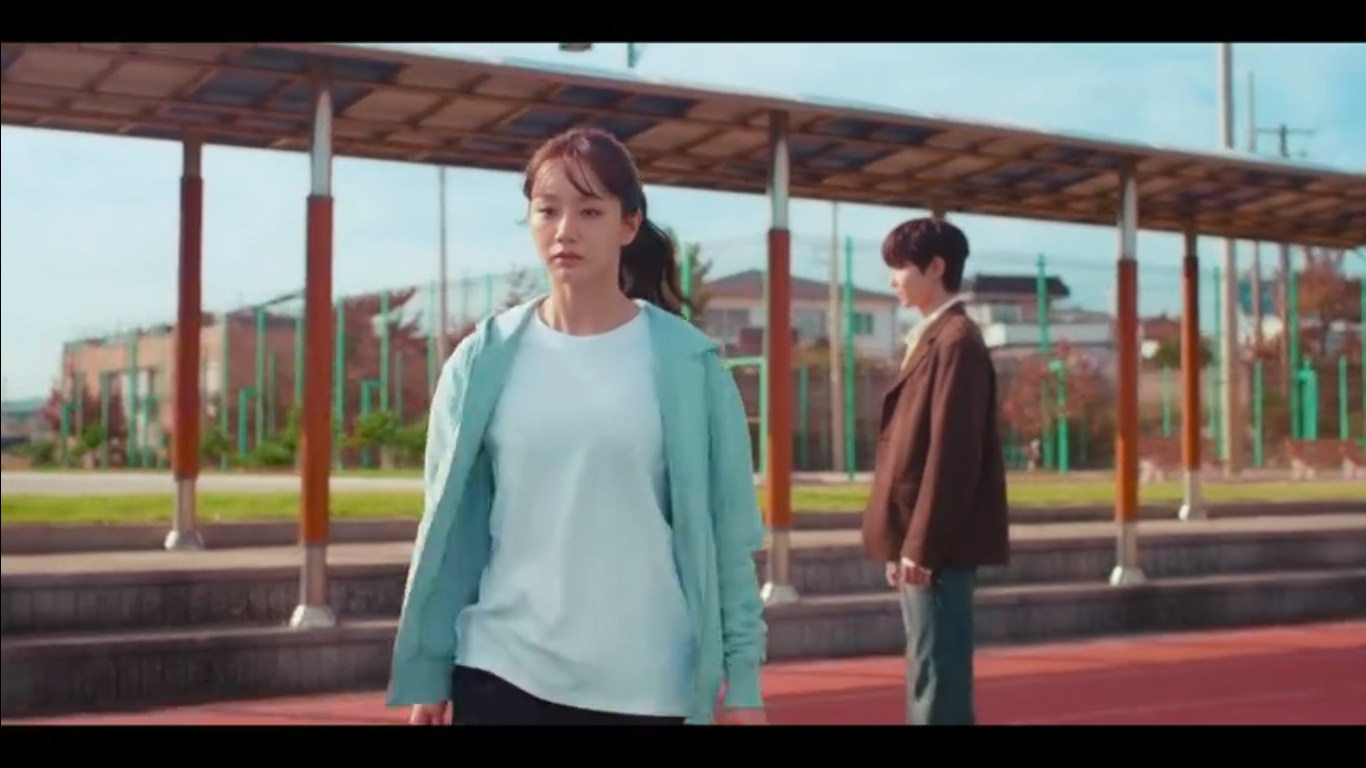
This situation creates an impossible chasm between Ju Yi Jae and Woo Soo Bin. Despite their mutual affection and shared creative vision, external prejudice and internal family trauma create a distance that seems insurmountable. Their emotional connection alone cannot bridge the systemic barriers they face—a poignant reminder that love doesn't conquer all, especially when confronting institutional bias.

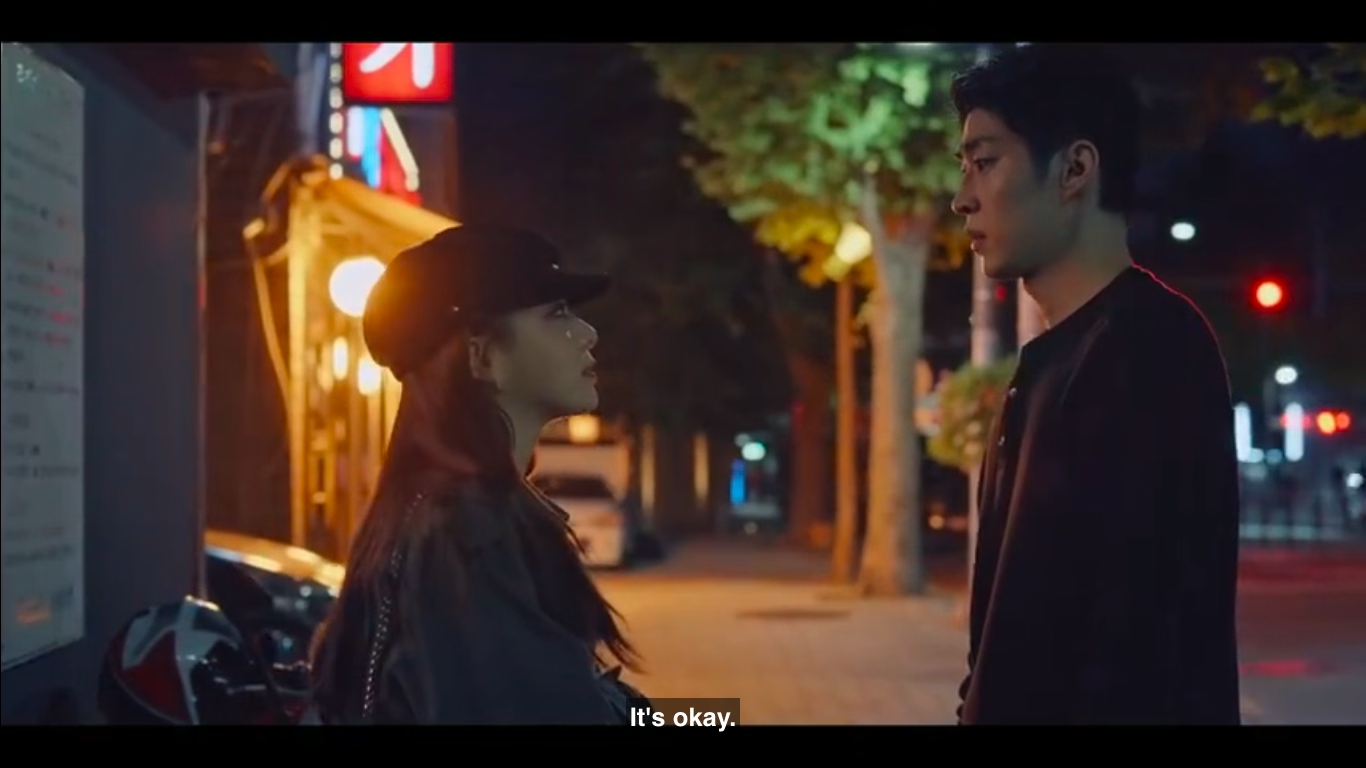
The narrative takes a mature turn when both Ju Yi Jae and Woo Soo Bin make the difficult decision to let go of their unfinished past. This isn't a dramatic breakup scene filled with screaming and tears—instead, it's a quiet, painful acknowledgment that sometimes growth requires sacrifice. They provide each other with the closure their first love never received, creating space for potential new beginnings.
Understanding the Broader Narrative Themes 🎬
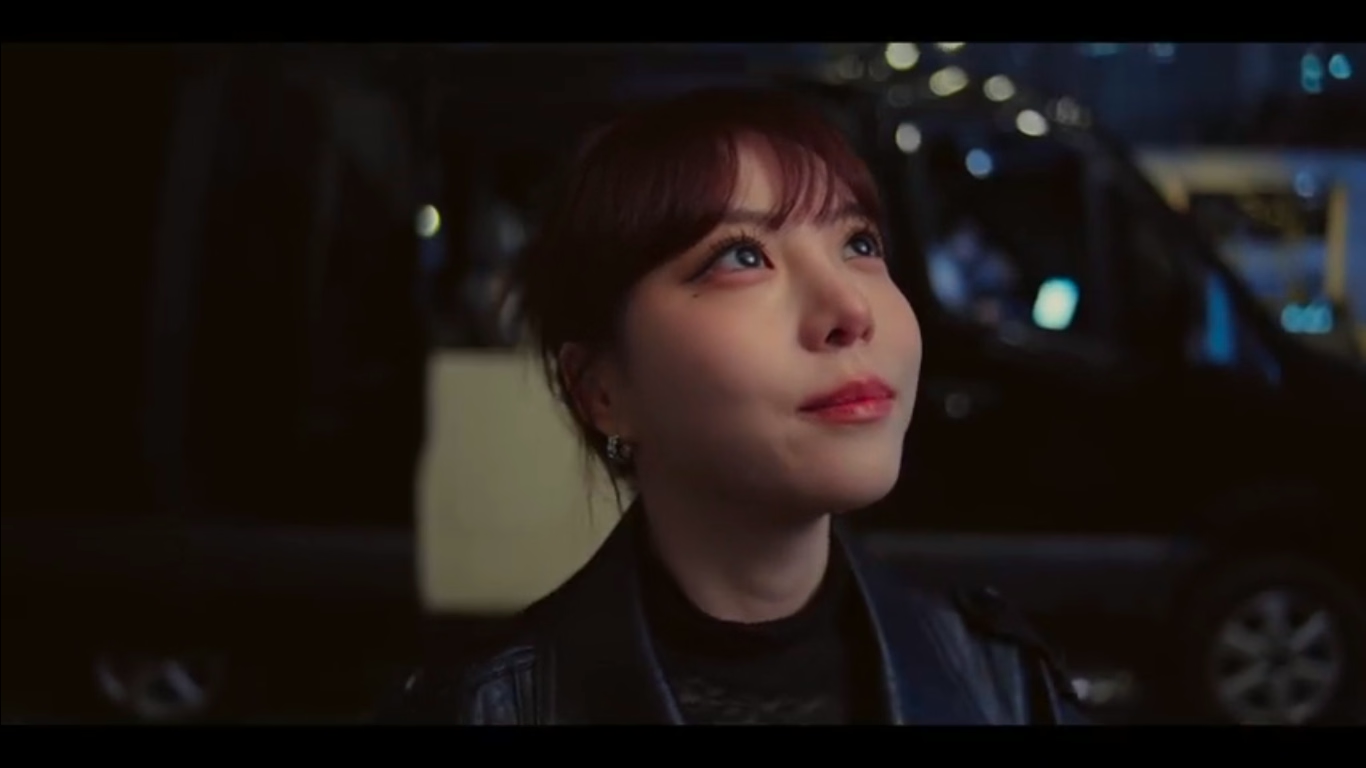
What emerges across these four messy situations is a cohesive exploration of how trauma, manipulation, and systemic prejudice shape individual destinies. "Dream to You" doesn't shy away from depicting the psychological damage that toxic relationships inflict. The drama demonstrates that healing isn't instantaneous—it's a complex, non-linear process that requires both personal agency and external support.
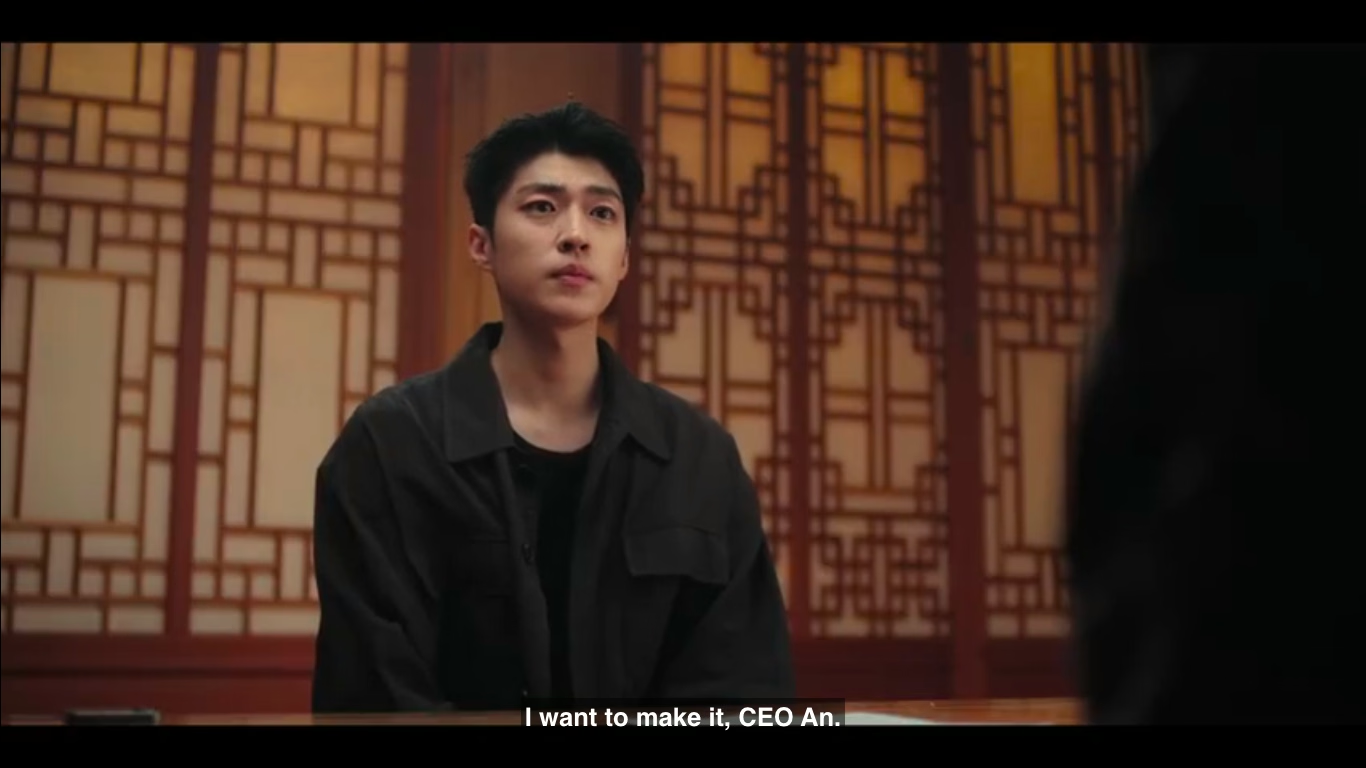
The K-drama landscape has increasingly shifted toward more nuanced depictions of family trauma and interpersonal complexity. Rather than presenting simple solutions or convenient happy endings, contemporary series like "Dream to You" acknowledge that some situations require letting go, accepting loss, and finding strength in closure rather than reunion. This represents a maturation in how Korean television addresses psychological realism.
What's Next for "Dream to You"? 🌟
With these foundational conflicts established, the second half of the season promises even more dramatic developments. Woo Soo Bin's healing journey and potential new romantic prospects remain uncertain. Sa Rang and In Wook's dynamic will undoubtedly escalate as In Wook pursues the woman who rejected him. Ha Na's struggle against maternal control will intensify, potentially threatening her budding relationship with Yoo Geon.
Most intriguingly, Ju Yi Jae's journey as a filmmaker and her relationship with Woo Soo Bin remain in flux. Will they find their way back to each other? Will they pursue separate paths entirely? The ambiguity is precisely what makes "Dream to You" so compelling—it refuses to provide easy answers or predictable resolutions.
Key Takeaways from Episodes 5-6 ✨
These episodes have established that "Dream to You" is fundamentally about how individuals navigate trauma, make difficult choices, and forge new paths forward. The messy situations presented aren't obstacles to be overcome through sheer willpower—they're complex realities requiring genuine growth and difficult sacrifices.
Key points to remember:
- Parental trauma creates lasting psychological damage that requires more than just physical escape
- Unconventional romance dynamics can be refreshingly entertaining when executed with nuance
- Manipulation by loved ones is often more devastating than overt cruelty
- Sometimes letting go is the most mature and loving choice two people can make
- Systemic prejudice within industries creates barriers that individual relationships cannot overcome

The beauty of "Dream to You" lies in its refusal to simplify human relationships and emotional complexity. These messy situations aren't plot devices designed for quick resolution—they're authentic representations of how real people struggle with trauma, ambition, love, and identity. As the series continues, viewers should prepare for more emotional turbulence, but also for the genuine growth that comes from confronting life's most difficult challenges. 🎭💫
You May Also Like
K-Drama
The Affair Was Just The Beginning: Explosive Drama Unfolds
September 2, 2026
K-Drama
Ryu Jun Yeol's Fingernail Becomes Identity Theft Key in Mousetrap
September 2, 2026
K-Drama
Lee Jung Eun & Kim Moo Yul Lead Star-Studded Revenge Drama Cast
September 2, 2026
K-Drama
The Scandal K-Drama: Son Ye Jin, Ji Chang Wook, Nana
September 2, 2026