Category:
K-DramaCha Woo Min's Bold Move to Win Kim Hye Jun's Heart
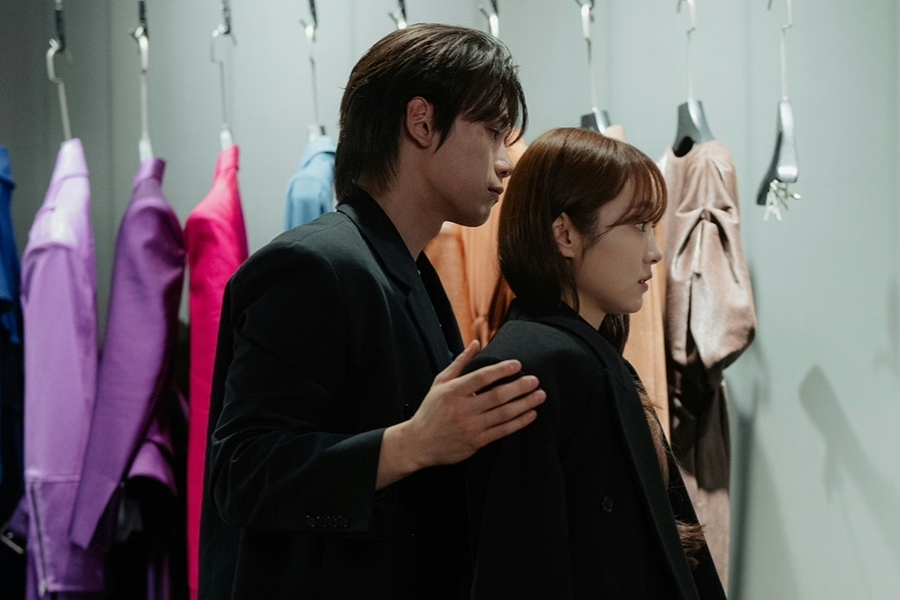
A Romance Reimagined: When K-Drama Fantasy Meets Reality 💫
There's something undeniably captivating about watching a character's world turn upside down when fantasy collides with reality. tvN's "My Bias, My Boss" has been delivering exactly that kind of emotional rollercoaster, and the latest developments in the series are proving why this webtoon adaptation has captured audiences' hearts across the globe.
The premise itself is deliciously ironic: a devoted fan joins a company specifically to get closer to her idol crush, only to find herself caught between two very different kinds of love. This classic love triangle setup, combined with the unique idol-fan dynamic, has resonated with viewers who understand the complexity of admiration versus genuine romantic connection.
The Setup: A Fan's Dream Becomes Complicated 🎭
Nam Da Reum, portrayed by Kim Hye Jun, enters the story with a singular mission—to work alongside Lee Chan, the idol she's been obsessed with for years. Her character embodies what many K-drama fans can relate to: the fantasy of being near someone you admire, the hope that proximity might spark something magical.

But here's where the narrative gets interesting. Lee Chan, played by Cha Woo Min, isn't just a distant idol figure—he's a fully realized character with his own feelings and vulnerabilities. The drama brilliantly explores the gap between idol perception and human reality, a theme that has become increasingly relevant in the K-entertainment industry as fans and celebrities navigate parasocial relationships.
The Bold Confession: Lee Chan's Sincere Attempt 💌
In the upcoming episode that has fans buzzing with anticipation, Lee Chan makes a decisive move. He confesses his feelings with genuine vulnerability, telling Nam Da Reum, "I want to get to know you better." This isn't a grand, theatrical declaration—it's intimate and real, which makes it all the more powerful.
What makes Cha Woo Min's portrayal of Lee Chan so compelling is the authenticity he brings to the character's struggle. He's not trying to be the idol anymore; he's trying to be a man worthy of her attention as a person. The confession represents a pivotal shift in their dynamic, moving beyond the fan-idol relationship into something potentially more genuine.
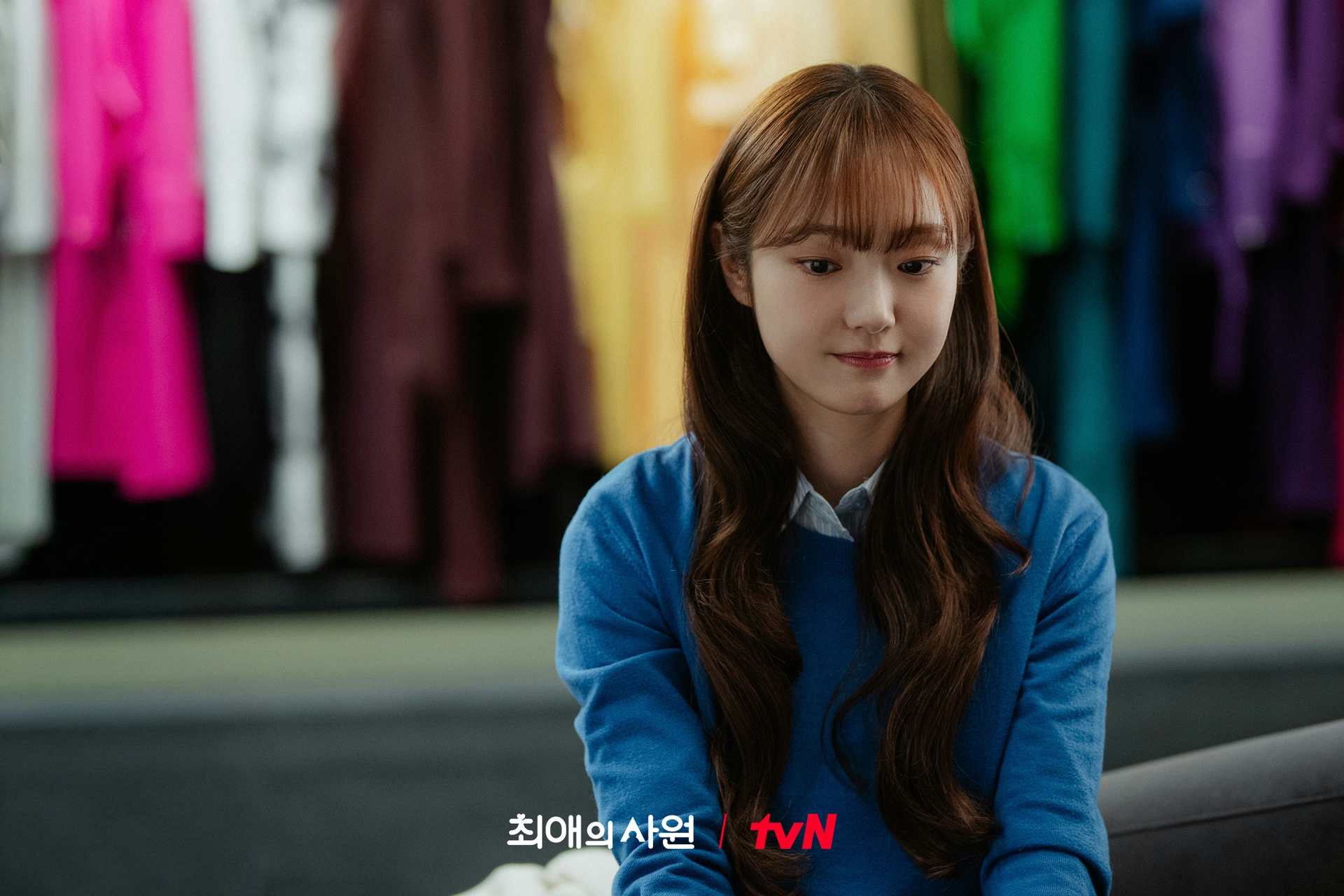
The Personalized Date: Romance Meets Strategy 🌹
Recognizing that confession alone isn't enough to bridge the emotional gap between them, Lee Chan goes the extra mile. He orchestrates a private date specifically tailored to Nam Da Reum's interests and preferences. This thoughtful approach showcases a crucial element of modern romance narratives: the idea that genuine connection requires effort, attention, and understanding.
The date isn't just about spending time together—it's a carefully planned experience designed to help Nam Da Reum see Lee Chan differently. It's the kind of romantic gesture that resonates deeply with K-drama audiences, who appreciate the blend of sincerity and strategic thinking in matters of the heart.
The Twist: When Reality Doesn't Match the Fantasy 🎬
But here's where "My Bias, My Boss" distinguishes itself from typical romance dramas. As Nam Da Reum spends time with Lee Chan, she encounters harsh realities that shatter her long-held fantasy. The idol she's admired from afar isn't necessarily the person she connects with romantically.
Meanwhile, Kang Ha Gi, the company's CEO portrayed by Kang Hoon, has been a constant, steady presence in her life. This character represents something different—not the exciting rush of idol admiration, but the quiet, reliable comfort of someone who genuinely cares.
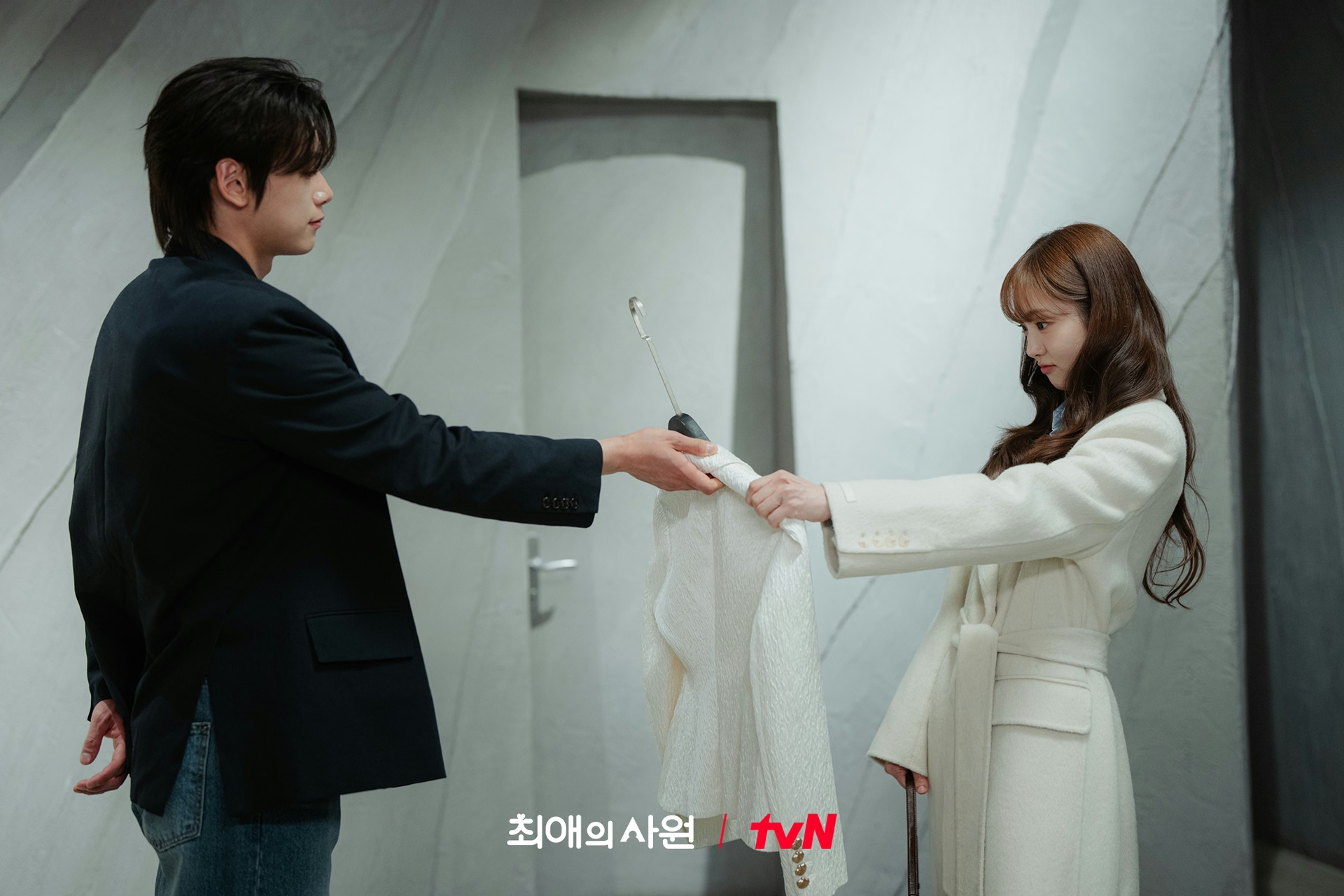
This love triangle is particularly nuanced because it isn't just about choosing between two attractive men. It's about choosing between two versions of love: the intoxicating fantasy versus the grounded reality. It's about recognizing that sometimes the person we think we want isn't the person we actually need.
The Broader K-Drama Context: Evolving Romance Narratives 📺
The success of "My Bias, My Boss" reflects a significant shift in K-drama storytelling. Contemporary Korean dramas are moving away from one-dimensional romantic leads toward more complex, emotionally intelligent narratives. The idol-fan dynamic, once relegated to comedic subplots, has become worthy of serious dramatic exploration.
This evolution mirrors real-world conversations happening in the K-entertainment industry about healthy parasocial relationships, the humanity of celebrities, and the importance of distinguishing between admiration and romantic love. The drama serves as both entertainment and subtle commentary on these contemporary issues.
Kim Hye Jun's Portrayal: Authenticity in Emotional Confusion 🌟
Kim Hye Jun's performance as Nam Da Reum captures something rarely seen in K-dramas: the genuine confusion of realizing your fantasy doesn't match reality. Her character doesn't immediately reject Lee Chan or run into Kang Ha Gi's arms. Instead, she sits with the discomfort of her changing feelings, which feels remarkably authentic.
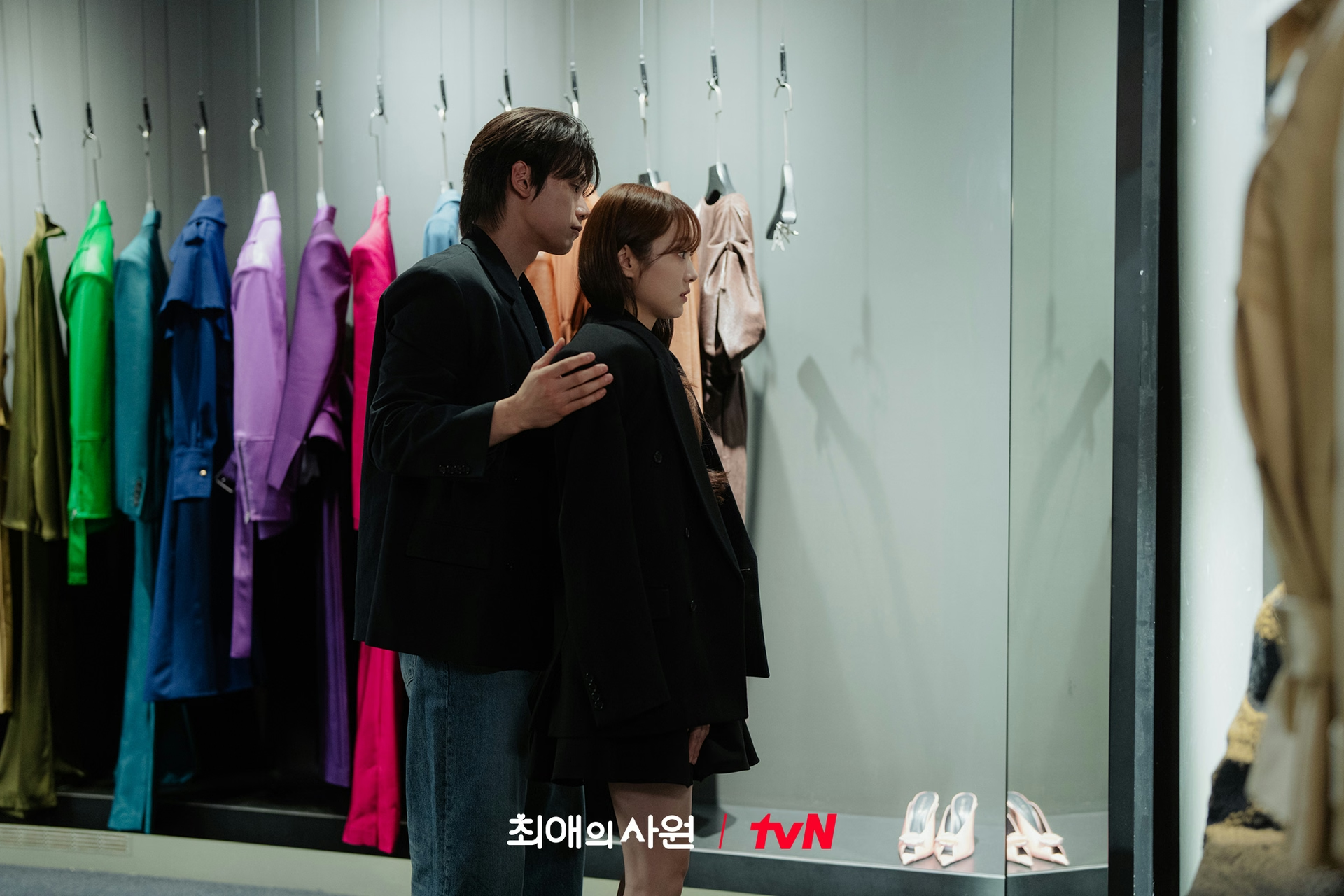
This nuanced approach to female characterization has become increasingly important in modern K-dramas, where audiences expect protagonists to have agency, emotional depth, and realistic responses to complicated situations.
What's Next: The Road to Resolution 🛣️
As the series progresses toward its conclusion, viewers are left wondering how Nam Da Reum will navigate this emotional minefield. Will she give Lee Chan a genuine chance to become more than her idol? Will Kang Ha Gi finally make his own bold move? Or will she choose to prioritize her own growth and independence?
The beauty of "My Bias, My Boss" is that it refuses to provide easy answers. The drama respects its audience's intelligence by presenting situations without obvious resolutions, requiring viewers to genuinely invest in the characters' emotional journeys.
Key Takeaways: Why This Drama Matters 💡
"My Bias, My Boss" succeeds because it tackles universal themes through a distinctly contemporary lens:
- Fantasy versus reality: The clash between who we imagine someone to be and who they actually are
- Growth through discomfort: Characters forced to confront their assumptions about love and connection
- The value of consistency: Highlighting the importance of partners who show up consistently, not just dramatically
- Emotional maturity: Depicting characters who communicate, confess, and face consequences
The August 24 Episode: Mark Your Calendars 📅
The next episode airs on August 24 at 8:45 p.m. KST, and based on the developments teased in the stills, it promises to be a turning point in the series. This is the episode where Cha Woo Min's Lee Chan makes his move, where Kim Hye Jun's Nam Da Reum must confront her true feelings, and where the entire emotional trajectory of the series potentially shifts.
For fans of K-dramas who appreciate character-driven narratives with emotional depth, this episode is unmissable. It represents everything that makes modern Korean television compelling: authentic performances, thoughtful writing, and genuine exploration of human emotion.
Final Thoughts: A Drama Worth Your Time ✨
"My Bias, My Boss" has carved out its own space in the crowded K-drama landscape by refusing to play it safe. Through Cha Woo Min's earnest portrayal of Lee Chan and his bold attempt to win Nam Da Reum's heart, the series asks viewers to reconsider what romance really means in the modern age.
Whether you're a longtime K-drama enthusiast or new to the genre, this webtoon adaptation offers something special: a story that entertains while also making you think about the nature of admiration, connection, and love. Tune in and discover why audiences can't stop talking about this compelling romantic drama.
You May Also Like
K-Drama
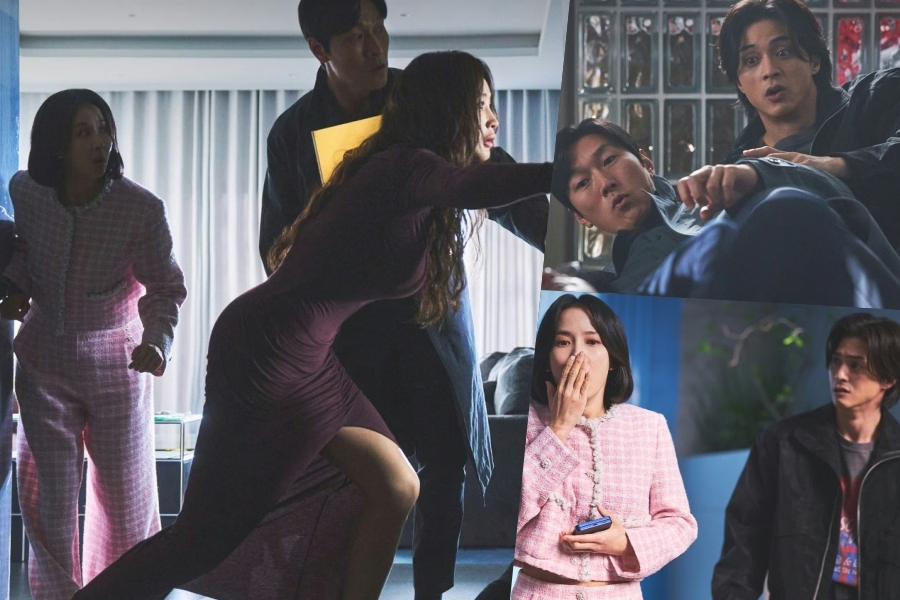
The Affair Was Just The Beginning: Explosive Drama Unfolds
September 2, 2026
K-Drama
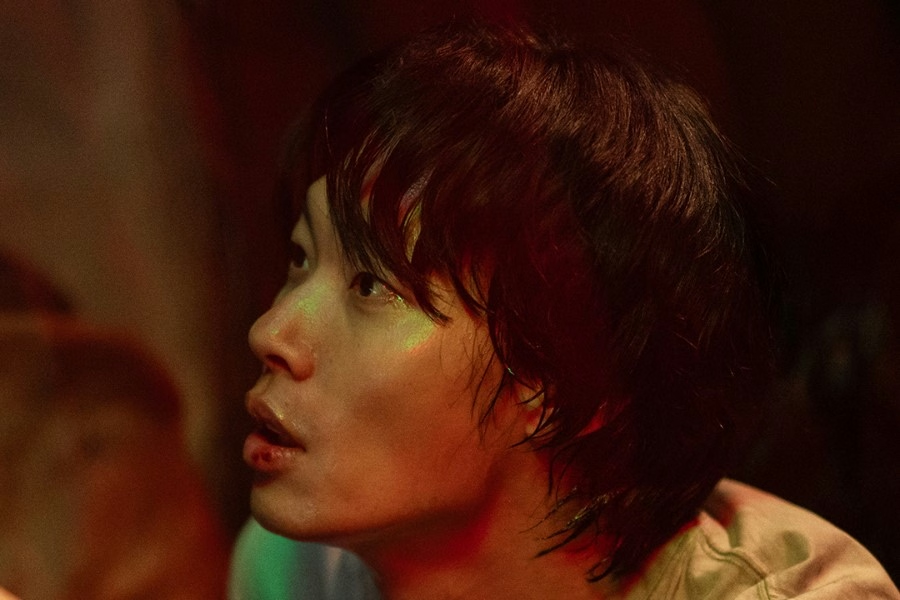
Ryu Jun Yeol's Fingernail Becomes Identity Theft Key in Mousetrap
September 2, 2026
K-Drama
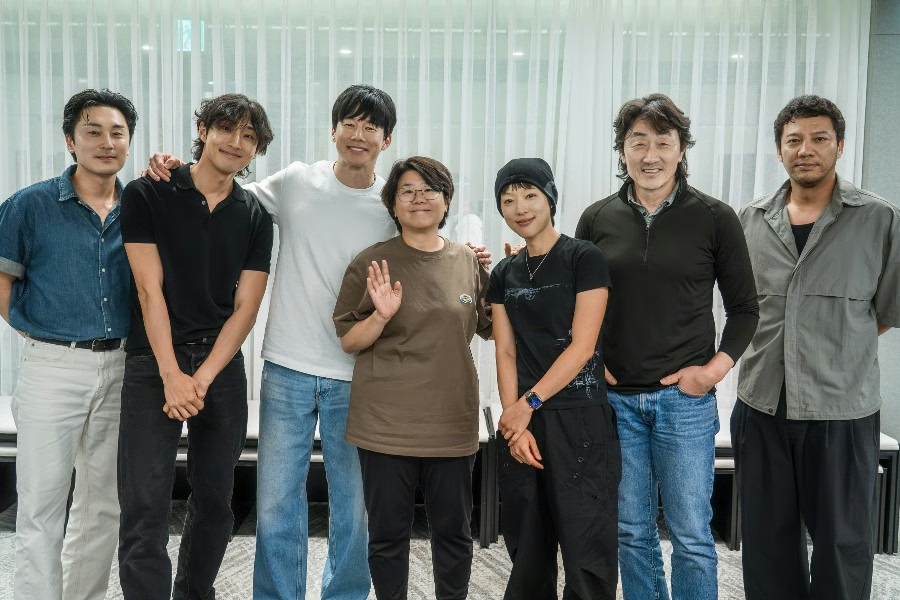
Lee Jung Eun & Kim Moo Yul Lead Star-Studded Revenge Drama Cast
September 2, 2026
K-Drama
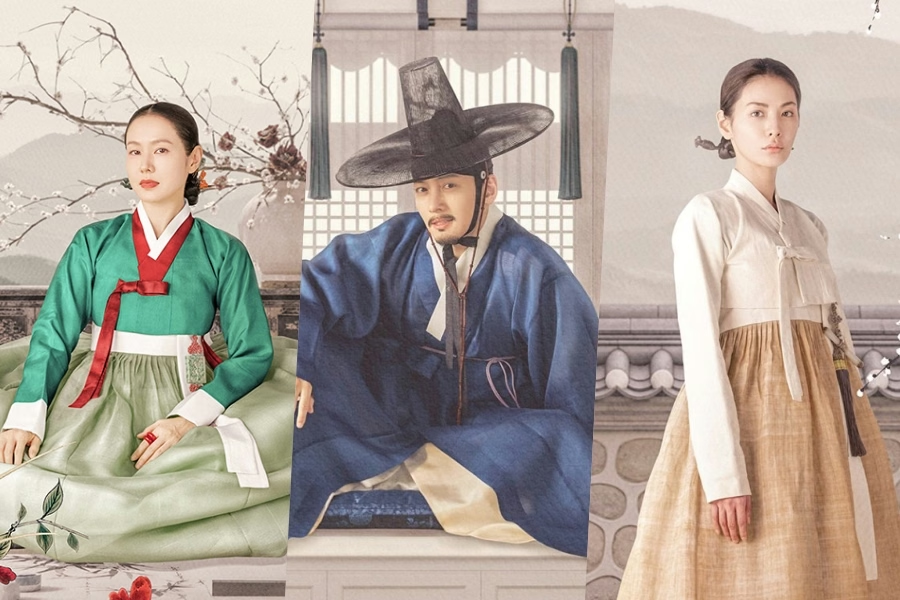
The Scandal K-Drama: Son Ye Jin, Ji Chang Wook, Nana
September 2, 2026