Category:
CelebKong Hyo Jin Shines as Complex Eldest Daughter in The Journey to Gyeongju
A Powerhouse Performance Rooted in Family Duty 🎬
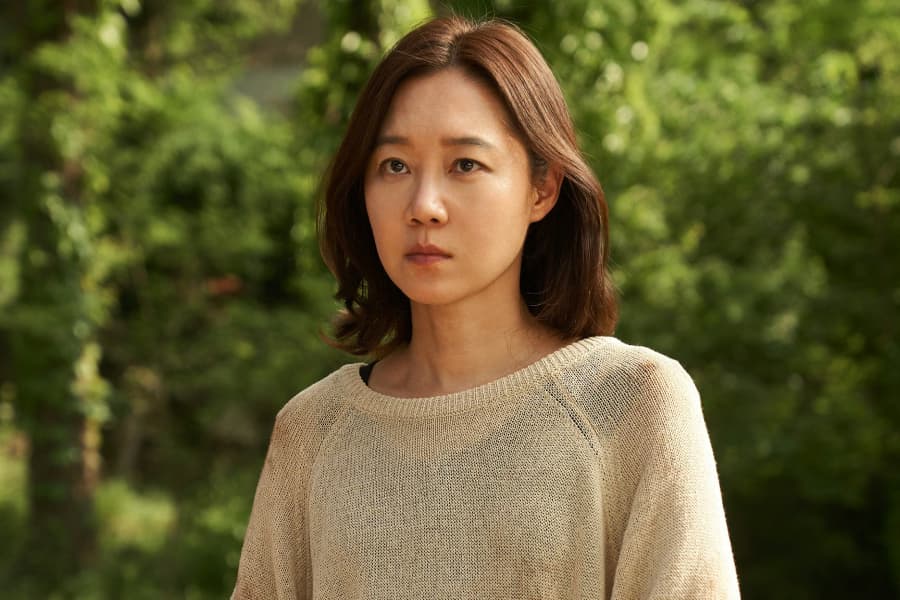
Kong Hyo Jin is stepping into one of her most emotionally layered roles yet with "The Journey to Gyeongju," a family revenge film that explores the depths of sisterhood, maternal devotion, and the complicated burden of being the eldest daughter. The acclaimed actress brings nuance and authenticity to her character, Jang Ju, a woman caught between her unwavering family loyalty and the dangerous path of vengeance.
This isn't just another revenge thriller—it's a deeply personal story about what happens when a family's worst nightmare becomes their catalyst for action. The film premiered in Korean theaters on August 26, introducing audiences to a narrative that challenges conventional family dynamics and explores the psychological toll of unresolved trauma.
Understanding the Story Behind "The Journey to Gyeongju" 🌟
"The Journey to Gyeongju" centers on a mother and her three daughters embarking on a transformative journey eight years after their youngest sister, Gyeong Ju, vanishes during a school field trip. What begins as a search mission gradually evolves into something far more complex—a quest for justice tinged with the desire for retribution.
The film's premise taps into a deeply resonant theme in contemporary Korean cinema: the exploration of how families cope with inexplicable loss and whether seeking revenge can ever truly heal old wounds. The narrative structure allows each family member to grapple with their own guilt, regret, and the weight of unanswered questions that have haunted them for nearly a decade.

Kong Hyo Jin as Jang Ju: The Archetypal "K-Eldest Daughter" 💫
Kong Hyo Jin's portrayal of Jang Ju represents the quintessential "K-eldest daughter"—a cultural archetype deeply embedded in Korean society that carries profound significance. Jang Ju embodies the self-sacrificing nature that traditionally falls upon the oldest sibling, particularly in family-oriented cultures where hierarchies and responsibilities are clearly defined.
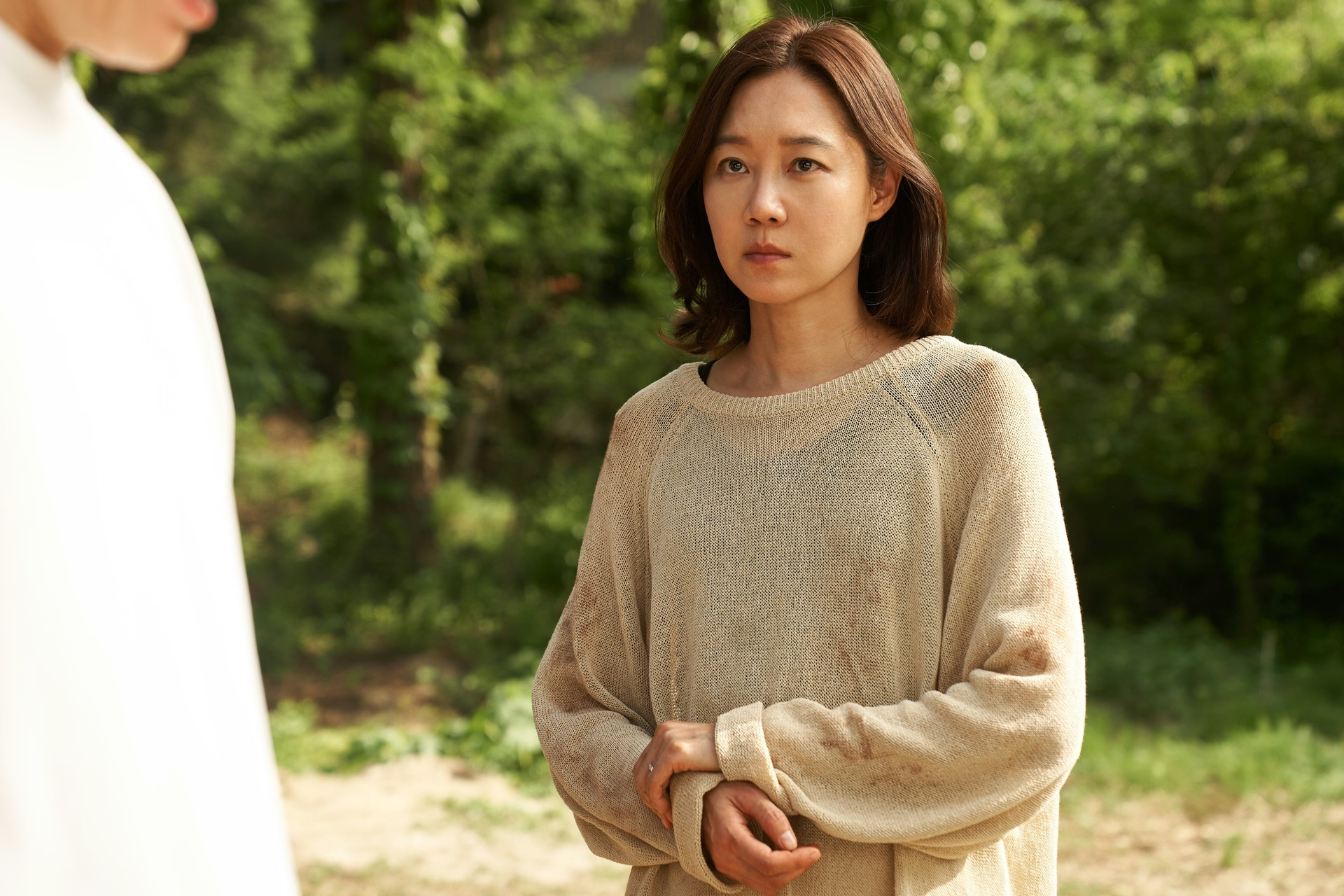
From childhood, Jang Ju has shouldered the responsibility of helping her mother, Ok Sil, manage the family's alteration shop, "Ok Fashion." Even as she builds her own life and marriage, she remains tethered to her family's needs, never fully separating from the emotional infrastructure that has defined her existence. This internal conflict—between personal aspirations and familial obligation—forms the emotional core of her character.
What makes Kong Hyo Jin's interpretation particularly compelling is how she captures the contradiction inherent in Jang Ju's personality. Outwardly, she appears composed, capable, and independent. Internally, she's the most vulnerable member of the family, prone to wavering under pressure and wrestling with profound anxiety about her choices.
The Complexity of a Character Caught Between Two Worlds 🔥
Jang Ju's journey in the film isn't simply about joining a revenge plot—it's about navigating the impossible tension between protecting her family and protecting herself. As the eldest daughter, she feels responsible for maintaining family cohesion, mediating between her mother and her sisters' conflicting emotions, and ensuring that their plan doesn't spiral into something that destroys them all.
This multifaceted emotional landscape required an actress capable of conveying subtle shifts in psychology and internal conflict. Kong Hyo Jin reportedly contributed creative input to enhance the character's authenticity, including specific details about Jang Ju's appearance—such as her chalky sunscreen and eyebrow tattoos—that ground the character in realistic, everyday humanity.
These seemingly minor details matter because they transform Jang Ju from a plot device into a fully realized person with her own aesthetic choices, vulnerabilities, and small rituals that reveal deeper aspects of her personality.
Why Kong Hyo Jin Almost Turned Down the Role ✨
Interestingly, Kong Hyo Jin initially hesitated to accept the role of Jang Ju due to scheduling conflicts. However, the screenplay proved so emotionally compelling that it fundamentally changed her mind. She revealed that the script left such a lingering emotional impression that she couldn't stop thinking about it for days after reading it.
This speaks volumes about the quality of the writing and the depth of the character development. In an industry where actresses are constantly juggling multiple projects and opportunities, it takes something truly exceptional to override logistical concerns. The decision to prioritize this film over her previous commitments demonstrates her commitment to meaningful, challenging roles that push her as a performer.
A Reunion Six Years in the Making 🎭
One of the most exciting aspects of "The Journey to Gyeongju" is the on-screen reunion between Kong Hyo Jin and Lee Jung Eun, who play mother and daughter in the film. The two last worked together six years prior in the beloved drama "When the Camellia Blooms," a romantic series that showcased their chemistry and emotional depth.
Kong Hyo Jin expressed genuine enthusiasm about reuniting with Lee Jung Eun for this project, noting that having such a talented actress cast as her mother made her even more eager to participate. She emphasized how she wanted to support Lee Jung Eun's portrayal of Ok Sil, the matriarch whose grief and determination drive the family's mission forward.
Lee Jung Eun, an accomplished actress known for her versatility and dramatic range, brings gravitas to the role of Ok Sil. The synergy between these two performers—one at the peak of her career and the other bringing seasoned wisdom—creates a compelling mother-daughter dynamic that anchors the entire narrative.
Director Kim Mi Jo's Vision for the Film 🌈
Director Kim Mi Jo has been a longtime admirer of Kong Hyo Jin's work and specifically sought her out for this project. The director's understanding of the character's complexity—how Jang Ju appears mature and independent on the surface but is actually the most dependent and emotionally unstable member of the family—demonstrates a sophisticated grasp of character psychology.
Kim Mi Jo praised Kong Hyo Jin's ability to bring authenticity to every role she undertakes, describing her as someone who can make even the most complex characters feel genuine and relatable. The director's vision for the film extends beyond simple revenge narrative to explore how trauma, loss, and the pursuit of justice reshape family bonds and individual identities.
The Cultural Significance of "K-Eldest Daughter" Narratives 📊
The archetype of the "K-eldest daughter" has become increasingly prominent in Korean cinema and television in recent years, reflecting broader conversations about gender roles, family structure, and societal expectations. Research into Korean family dynamics reveals that eldest daughters often experience higher rates of stress and anxiety related to family responsibilities, even in modern, progressive households.
This cultural phenomenon stems from traditional Confucian values that emphasize filial piety, hierarchical family structures, and the eldest child's responsibility to care for aging parents and maintain family stability. While contemporary Korean society has evolved significantly, these cultural expectations remain deeply ingrained in family relationships and social consciousness.
"The Journey to Gyeongju" taps into this cultural conversation by centering Jang Ju's internal struggle with these expectations. The film asks: What happens when the dutiful eldest daughter must choose between her family's wellbeing and her own survival? Can she maintain her role as peacekeeper while participating in an act of revenge?
Why This Film Matters for Contemporary Korean Cinema 🎬
Family revenge narratives have become increasingly sophisticated in Korean filmmaking, moving beyond simple plots of retribution to explore the psychological and emotional consequences of pursuing vengeance. "The Journey to Gyeongju" continues this trend by focusing on how a family's collective trauma and desire for justice affects individual family members differently.
The film's exploration of an unsolved disappearance also resonates with real-world cases that have captured public attention in South Korea. The emotional weight of families searching for missing loved ones, combined with the frustration of bureaucratic systems that fail to provide answers, creates a compelling backdrop for examining how ordinary people might consider extraordinary measures.
Kong Hyo Jin's casting ensures that the film will attract audiences interested in character-driven narratives rather than simply action-packed revenge sequences. Her reputation for delivering nuanced, emotionally intelligent performances suggests that "The Journey to Gyeongju" prioritizes psychological depth over sensationalism.
What to Expect from Kong Hyo Jin's Performance 🌟
Based on her previous work, Kong Hyo Jin typically brings a combination of vulnerability and strength to her roles, allowing audiences to see characters' internal contradictions without judgment. In "The Journey to Gyeongju," she'll likely deliver a performance that captures Jang Ju's simultaneous capacity for both tenderness and steely determination.
Her ability to convey complex emotions through subtle facial expressions and body language will be particularly valuable in scenes depicting family conflict and internal moral struggle. The actress has demonstrated throughout her career that she excels at portraying characters caught between competing loyalties and desires.
Key Takeaways and What's Next 💫
"The Journey to Gyeongju" represents an important entry in Kong Hyo Jin's filmography—a project that challenged her creatively and required her to navigate a character of significant emotional and psychological complexity. The film's exploration of family, revenge, and the burden of being the eldest daughter offers audiences both entertainment and meaningful reflection on family dynamics and personal sacrifice.
With the film now in theaters, audiences have the opportunity to experience Kong Hyo Jin's latest performance and engage with a narrative that speaks to universal themes of loss, justice, and familial bonds. The movie stands as a testament to the power of character-driven storytelling in contemporary Korean cinema and the enduring appeal of narratives that examine the human cost of trauma and the search for resolution.
You May Also Like
Celeb
Choi Min Sik Embraces Intern Life in Fashion-Forward Film
September 2, 2026
Celeb
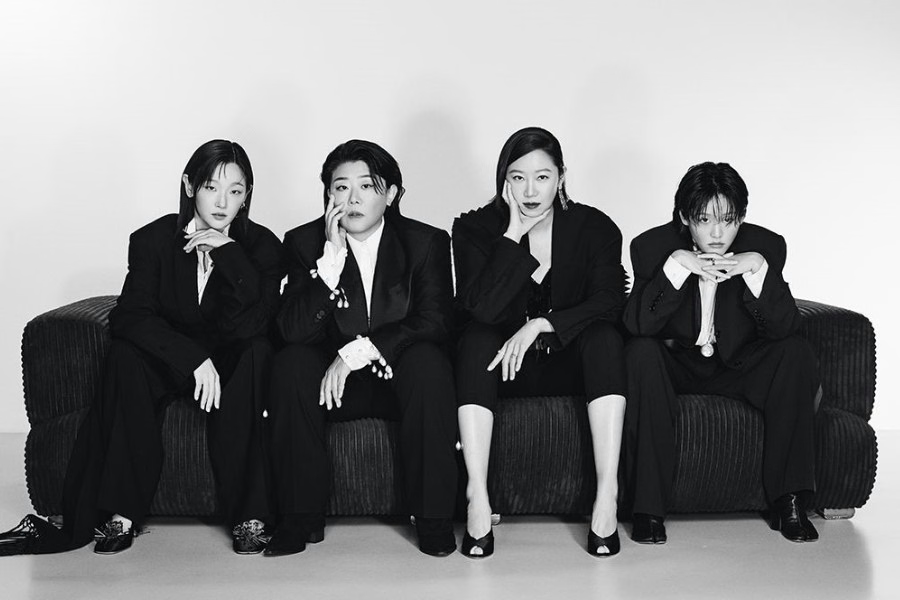
The Journey to Gyeongju Cast Reveals Powerful Bond
September 1, 2026

Celeb
Jisung and Johnny Battle in Epic Quiz Competition on ALL or NOTHING
August 31, 2026
Celeb
Portrait of a Family: How Ryu Seung Ryong & Ha Ji Won's Lives Transform
August 31, 2026