Category:
BollywoodRaja Shivaji: A Roaring Yet Emotional Finale
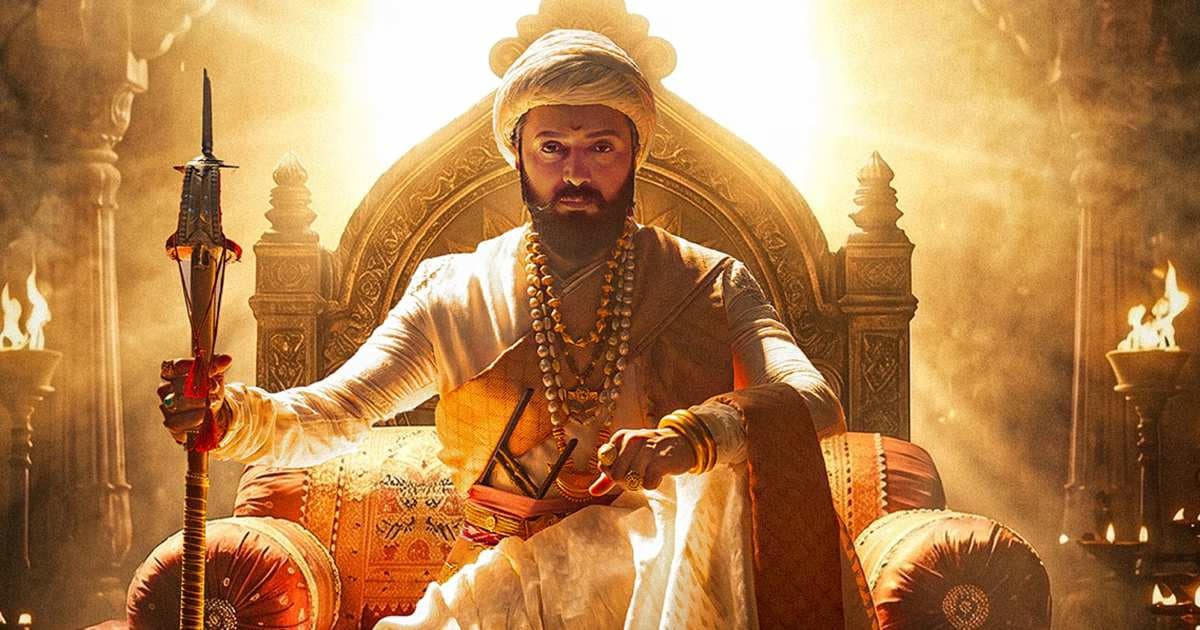
Riteish Deshmukh's latest cinematic endeavor, Raja Shivaji, has captivated audiences with its unique approach to storytelling and historical narrative. Directed by the talented Deshmukh himself, the film diverges from the typical blood-soaked finales of historical epics, opting instead for a poignant and emotionally resonant conclusion. 🎬✨
The Historical Context: Chhatrapati Shivaji Maharaj
Chhatrapati Shivaji Maharaj is a name synonymous with valor and strategic genius. Known for his pivotal role in establishing the Maratha Empire, Shivaji's legacy is etched in Indian history as a symbol of resistance against oppressive regimes. His battle against Afzal Khan, a general of the AdilShah Sultanate, is legendary and forms the crux of Raja Shivaji.
The Climactic Battle of Pratapgarh
The film depicts the tense and strategic battle of Pratapgarh, where Shivaji Maharaj faces off against Afzal Khan. As the Maratha warrior, Riteish Deshmukh masterfully portrays the calculated and strategic assassination of Khan, setting the stage for a massive battle that sees the Maratha troops triumphantly charge at the enemy's forces. 🌟
However, rather than culminating in a typical celebratory crescendo, the film concludes on a somber note, reflecting the heavy toll of war. Approximately 5,000 enemy soldiers were slain, and 1,700 Maratha warriors lost their lives. This substantial loss underscores the emotional weight carried throughout the film.
The Emotional and Strategic Weight of Swarajya
One of the film's most significant achievements is its focus on the ideological foundation of Swarajya—Shivaji's vision for a sovereign Maratha state. The narrative shies away from glorifying the battle's outcome, choosing instead to highlight the personal and emotional journey of Shivaji Maharaj. By doing so, Deshmukh ensures that audiences connect with Shivaji as a relatable human figure, rather than just a legendary warrior.
Why the Shivpratap Din Story Wasn't Told
In Maharashtra, November 10 is celebrated as Shivpratap Din, commemorating Shivaji's strategic triumph. However, Raja Shivaji intentionally omits a direct celebration of this day. This choice reflects Deshmukh's vision to underscore Shivaji Raje's human elements over his legendary status. This storytelling decision allows the audience to appreciate the emotional depth and struggles that defined Shivaji's journey.
A Modern Filmmaker's Vision
Riteish Deshmukh's direction in Raja Shivaji marks him as a visionary filmmaker, adept at crafting narratives that resonate with modern viewers. By focusing on the emotional core rather than the celebratory aspects of history, Deshmukh crafts a narrative that is as much about introspection and empathy as it is about historical events. 🔥
The Broader Impact on Bollywood
Raja Shivaji comes at a time when Bollywood is gravitating towards more nuanced storytelling. The film's approach can be seen as part of a broader trend in Indian cinema towards narratives that prioritize emotional depth and character development over spectacle. This shift is reflective of changing audience expectations, with viewers craving stories that offer both entertainment and introspection.
Conclusion: A Film Worth Celebrating
In conclusion, Raja Shivaji is more than just a historical biopic; it is a testament to the power of storytelling. By choosing a path less traveled, Riteish Deshmukh has crafted a film that resonates on multiple levels, offering both a tribute to a historical icon and an exploration of the human spirit. As Bollywood continues to evolve, films like Raja Shivaji pave the way for more introspective and emotionally engaging narratives. 🌟💫
For those interested in the intersection of history and cinema, or the evolution of Bollywood storytelling, Raja Shivaji is a must-watch. It not only honors the legacy of Chhatrapati Shivaji Maharaj but also sets a new standard for historical storytelling in Indian cinema.
You May Also Like
Bollywood
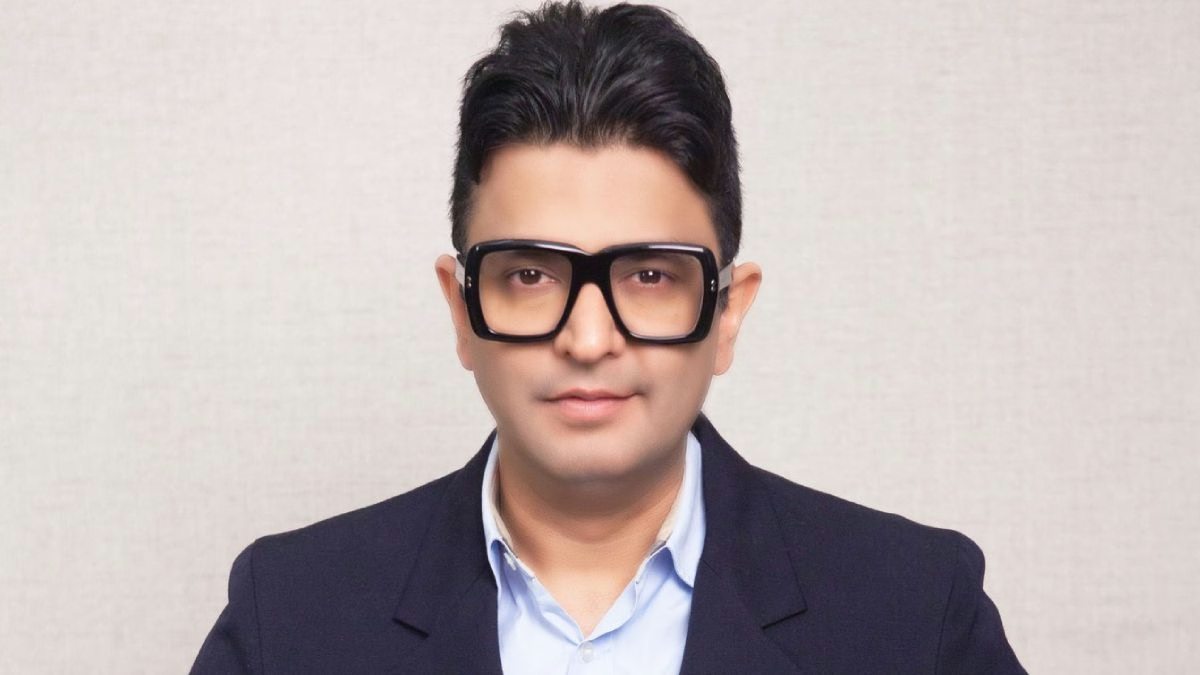
T-Series Pan-India Strategy: How Bhushan Kumar Is Redefining Indian Cinema
September 2, 2026
Bollywood
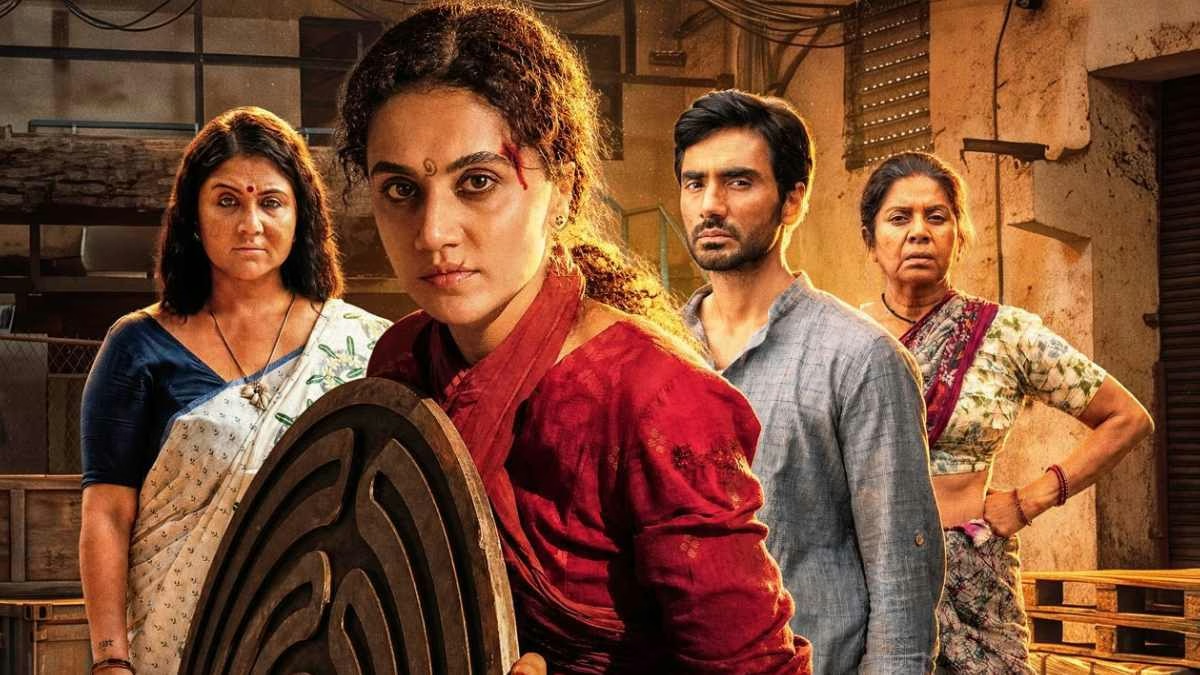
Gandhari Trailer Review: Taapsee Pannu's Fierce Mother
September 1, 2026
Bollywood
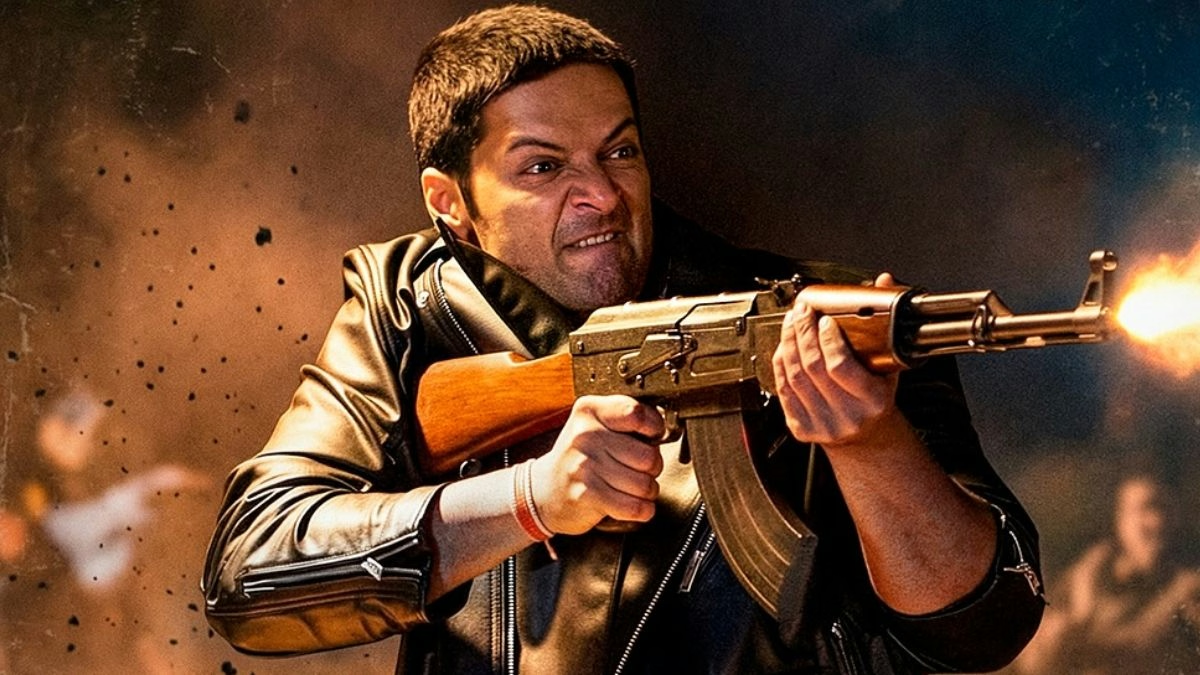
Ali Fazal Reveals Where Mirzapur: The Movie Picks Up
September 1, 2026
Bollywood
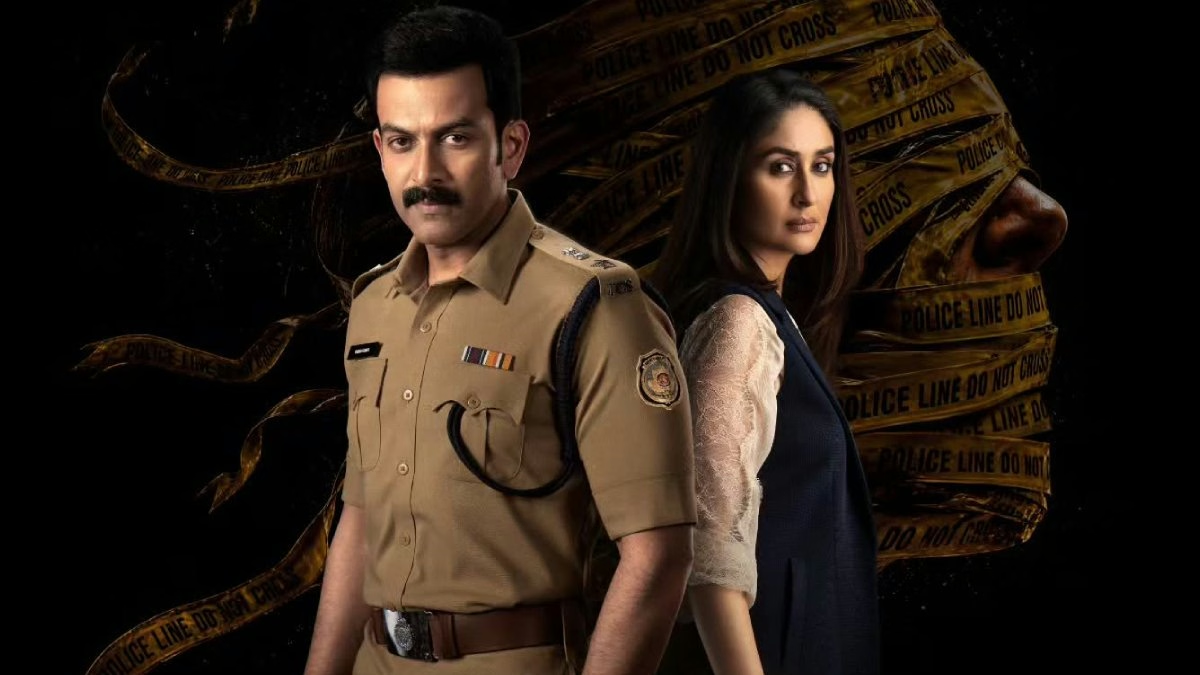
Daayra Poster Reveals Kareena & Prithviraj's Intense Showdown
September 1, 2026