Category:
BollywoodRamayana Trailer: Top 3 Scenes That Stole The Show
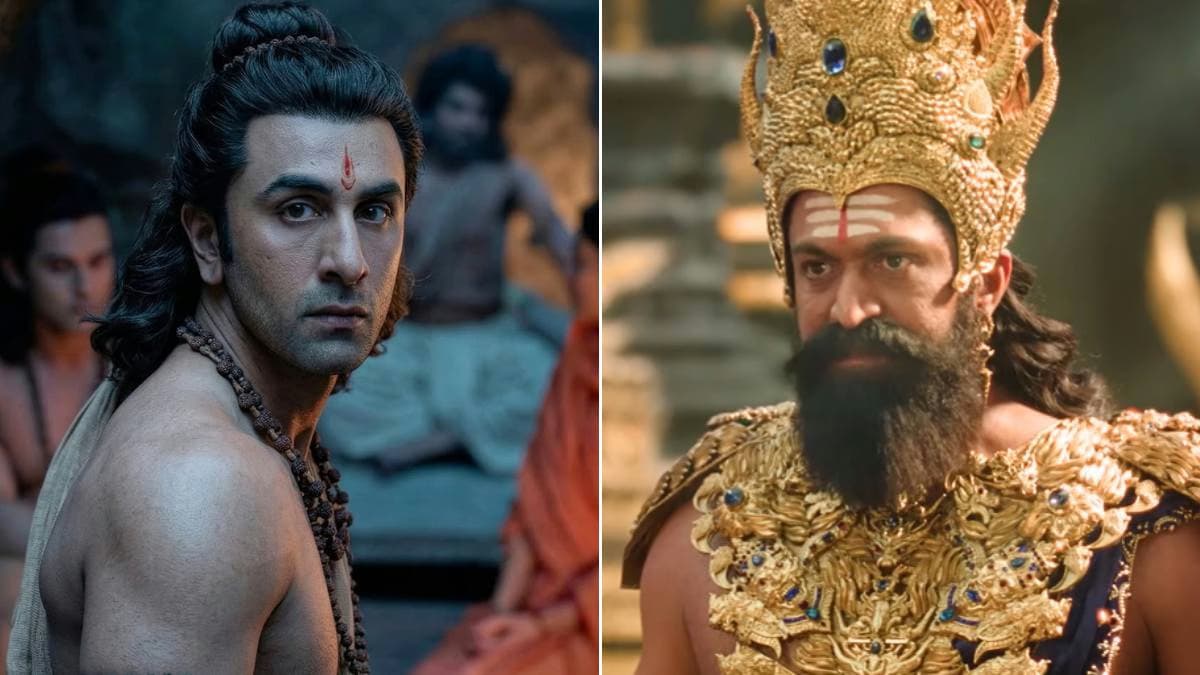
When Supporting Characters Outshine The Main Cast 🎬
The early morning of July 30th will forever remain etched in the memory of Indian cinema enthusiasts. At 4:15 AM sharp, the entertainment world witnessed something extraordinary – a cinematic moment that had millions pulling all-nighters to witness the unveiling of what promises to be one of Bollywood's most ambitious projects. The four-minute-and-ten-second trailer for Ramayana dropped like a thunderbolt, and contrary to what mainstream media headlines would have you believe, the most electrifying moments didn't belong to the marquee names.
Director Nitesh Tiwari and producer Namit Malhotra have crafted something that transcends typical star-driven spectacle. Backed by the legendary Hans Zimmer and A.R. Rahman's world-class composition, this trailer became an instant cultural phenomenon. Yet here's the twist that nobody anticipated – the sequences that left audiences genuinely breathless had nothing to do with Ranbir Kapoor's divine portrayal of Lord Ram, Sai Pallavi's ethereal presence as Sita, or even Yash's menacing embodiment of Ravana.
The Art Of Subtle Menace: Saurabh Sachdeva's Marich Moment 👹
In an industry obsessed with star power and leading-man charisma, sometimes the most memorable moments come from unexpected quarters. Saurabh Sachdeva's brief but intensely impactful portrayal of Marich in the trailer exemplifies this perfectly. This isn't just a cameo – it's a masterclass in character establishment through minimal screen time.
The genius lies in how the filmmakers chose to introduce this character. Rather than relying on dialogue or exposition, Sachdeva's physical transformation speaks volumes. The unsettling layer of dark magic enveloping his form, combined with his gritty performance, creates an atmosphere of genuine dread. Before audiences even comprehend the mythology of the golden deer illusion, they understand the existential threat posed by Lanka's illusionists through pure visual storytelling.
What makes this sequence particularly brilliant is its restraint. In a trailer drowning in spectacle and grandeur, this quiet, haunting moment stands out precisely because it doesn't scream for attention. It whispers, and that whisper resonates far more powerfully than any roaring action sequence could. Character actors like Sachdeva are becoming the backbone of modern Indian cinema, proving that depth and nuance can compete with star power on equal footing.
Rakul Preet Singh's Shoorpanakha: Chaos Personified ✨
Rakul Preet Singh's entrance as Shoorpanakha deserves its own dedicated discussion. This wasn't merely a supporting character introduction – it was a tonal shift that reminded viewers why this epic deserves the label of "magnum opus." The visual language deployed here transforms Shoorpanakha from a mere plot device into a fully realized character with her own compelling narrative gravity.
The cinematography during her appearance captures something often overlooked in modern retellings of the Ramayana – the seductive danger of chaos itself. Shoorpanakha represents more than just a catalyst for conflict; she embodies the unpredictable, volatile forces that set the entire tragedy in motion. Rakul's performance in this brief sequence conveys fascination, danger, and a complex emotional landscape that hints at deeper character development in the full film.
What's particularly noteworthy is how the production design and costume work elevate this character beyond traditional interpretations. The visual presentation suggests a character who operates by her own rules, who isn't bound by the conventional morality of either the divine or demonic realms. This nuanced approach to character portrayal indicates that the filmmakers have invested considerable thought into every role, regardless of screen time.
The Pièce De Résistance: Jatayu's Celestial Battle 🔥
If there was ever a moment in the trailer that transcended typical Bollywood spectacle and entered the realm of pure cinematic poetry, it was the sequence depicting Jatayu's desperate struggle against Ravana's pushpaka vimana. This isn't just a action scene – it's a meditation on heroism, sacrifice, and the tragic beauty of fighting a losing battle for righteousness.
The visual effects work by DNEG reaches its absolute zenith during this sequence. The giant celestial bird, rendered with meticulous detail, engages in a battle that feels both mythologically authentic and cinematically revolutionary. What elevates this beyond mere technical achievement is the emotional resonance layered beneath the spectacle. The framing captures the profound loneliness of a devoted warrior making a final stand against overwhelming odds.
The collaboration between Hans Zimmer and A.R. Rahman's score during this sequence deserves particular mention. The music doesn't just accompany the visuals – it amplifies the emotional stakes exponentially. As Jatayu fights to protect Sita and uphold Dharma, the score swells with a bittersweet quality that acknowledges both the nobility of the cause and the inevitability of defeat. This is filmmaking at its most sophisticated level.
Why World-Building Matters More Than Star Power 🌟
The broader narrative emerging from the trailer's reception reveals a significant shift in audience expectations. For decades, Indian cinema operated on a straightforward formula: cast the biggest stars, invest heavily in their screen time, and let their charisma carry the film. The Ramayana trailer suggests a different philosophy entirely.
This production appears to understand that audiences have evolved. They're no longer satisfied with star vehicles masquerading as epic storytelling. Instead, they crave immersive worlds that feel lived-in, populated by fully realized characters across all strata of importance. The decision to devote significant trailer real estate to supporting characters and world-building elements rather than additional hero moments indicates a filmmaker confident enough to trust the material itself.
Industry analysts have noted a broader trend in recent years where films with strong ensemble casts and compelling world-building have outperformed traditional star-driven vehicles at the box office. The success of interconnected universe films and high-budget fantasy epics has demonstrated that audiences will invest emotionally in stories where every character feels essential to the narrative fabric.
The VFX Revolution In Indian Cinema 💫
The technical achievements visible in the Ramayana trailer deserve recognition as part of a larger revolution happening in Indian filmmaking. For years, Indian producers relied on international VFX studios for large-scale projects. While this ensured technical quality, it also meant that many projects felt visually disconnected from the storytelling sensibilities of Indian cinema.
The approach taken here – combining international expertise with distinctly Indian narrative traditions – represents a maturation of the industry. The pushpaka vimana sequence, the demon designs, the celestial landscapes – all of these elements demonstrate that Indian cinema can compete on a global technical level while maintaining its unique cultural identity.
Looking Ahead: Diwali 2026 And Beyond 🎭
The anticipation building around the Ramayana's Diwali 2026 release date extends far beyond typical pre-release hype. This film represents a watershed moment for Indian cinema – a genuine attempt to create a mythological epic that honors its source material while embracing modern filmmaking techniques.
The early morning trailer launch itself was a calculated decision that speaks volumes about the production's confidence and cultural awareness. By releasing at Brahma Muhurat – the auspicious early morning hours in Hindu tradition – the filmmakers demonstrated a respect for the material that goes beyond mere commercial calculation.
The Verdict: Substance Over Celebrity 🏆
The most intriguing aspect of the Ramayana trailer reception is what it reveals about evolving audience preferences. Yes, Ranbir Kapoor, Sai Pallavi, and Yash bring star power and credibility to their respective roles. But the sequences that generated the most organic enthusiasm – the Saurabh Sachdeva moment, Rakul Preet Singh's introduction, and Jatayu's celestial battle – succeeded precisely because they transcended celebrity and tapped into something more primal: the power of exceptional storytelling.
This film appears to understand that true blockbuster potential comes not from casting the biggest names but from crafting a complete, immersive world where every element – from lead roles to supporting characters, from dialogue-heavy moments to silent visual storytelling – serves the greater narrative. As audiences continue to dissect and celebrate these specific sequences, the conversation shifts from "Who's in this movie?" to "What story is this movie telling?"
For cinephiles, industry observers, and casual moviegoers alike, the Ramayana trailer has set an exceptionally high bar. The real test will come when the full film releases, but based on this evidence, Indian cinema's mythological epics have found their voice for the modern era. The wait until Diwali 2026 suddenly feels both impossibly long and absolutely worth it.
You May Also Like
Bollywood
T-Series Pan-India Strategy: How Bhushan Kumar Is Redefining Indian Cinema
September 2, 2026
Bollywood
Gandhari Trailer Review: Taapsee Pannu's Fierce Mother
September 1, 2026
Bollywood
Ali Fazal Reveals Where Mirzapur: The Movie Picks Up
September 1, 2026
Bollywood
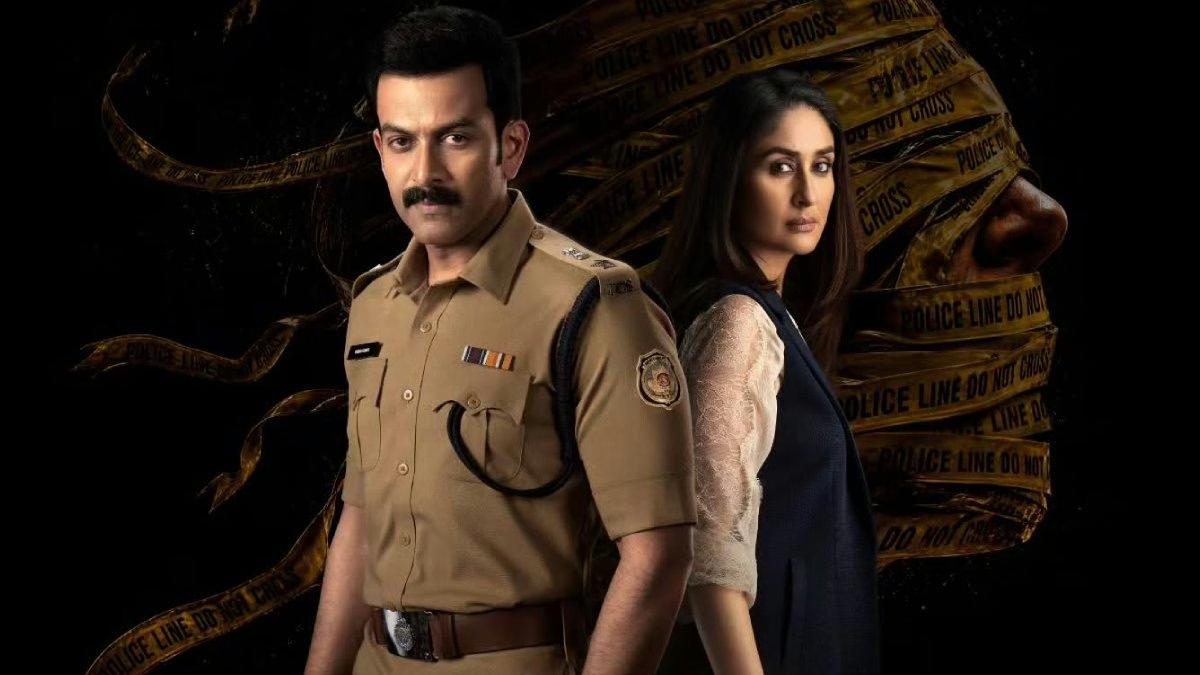
Daayra Poster Reveals Kareena & Prithviraj's Intense Showdown
September 1, 2026