Category:
BollywoodRanbir Kapoor's Ramayana English Trailer: Why It Outshines the Hindi Version
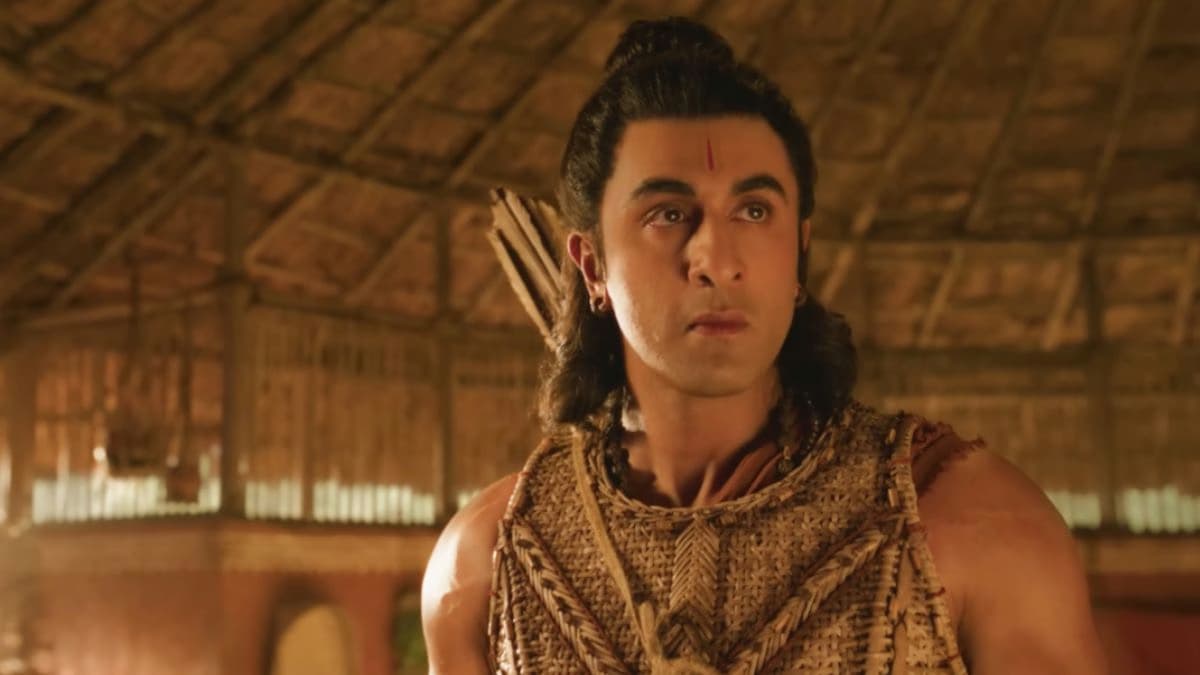
The Ramayana Phenomenon: A Bollywood Epic Reimagined 🎬
When Nitesh Tiwari announced his ambitious adaptation of the Ramayana featuring Ranbir Kapoor, the Indian entertainment industry buzzed with anticipation. However, the initial Hindi trailer reception revealed a divided audience—some praised the grandeur, while others questioned casting choices and costume designs. What many didn't expect was that the creative team would take this feedback seriously and deliver something dramatically different. The newly released English version of the trailer has shifted the narrative entirely, proving that sometimes a fresh perspective can transform perception.
The contrast between the Hindi and English trailers of this mythological epic has become the talk of the town among Bollywood enthusiasts and casual viewers alike. It's not just about language translation; it's about a complete recalibration of how this story is presented to the world.
Understanding the Global Ambition Behind Ramayana 🌍✨
Nitesh Tiwari and producer Namit Malhotra aren't merely crafting content for domestic audiences—they're positioning this film as a global cinematic event. The international release strategy suggests a deliberate effort to present Hindu mythology through a lens that resonates with worldwide audiences. This isn't unusual in modern Bollywood; filmmakers increasingly recognize that quality storytelling transcends geographical boundaries.
The Ramayana holds significant cultural value, and adapting it for contemporary cinema requires balancing reverence with entertainment value. With a worldwide theatrical release planned, the filmmakers understand that presentation matters immensely. The English trailer appears to be a strategic tool in this broader marketing campaign, designed to capture attention from audiences unfamiliar with the original source material.
Reason #1: The Dubbing Revolution – When Voice Acting Becomes an Art Form 🎙️
One of the most contentious aspects of the Hindi trailer was the dialogue delivery and vocal performances. Critics noted that certain vocal pitches felt unnatural or forced. However, the English version presents a fascinating paradox: the same actors delivering their lines in English somehow feel more authentic and impactful.
What's remarkable here is that the dubbing doesn't feel like dubbing at all. Ranbir Kapoor's English dialogue delivery carries a cinematic weight that rivals Hollywood productions. The synchronization between lip movements and dialogue is so seamless that viewers could easily mistake this for a film originally shot in English. This technical achievement shouldn't be underestimated—professional dubbing requires meticulous attention to timing, emotional nuance, and vocal calibration.
The dialogue itself appears to have been rewritten for the English version, not merely translated. This approach allows for more natural phrasing and better alignment with how English-speaking audiences process narrative exposition. The result is a viewing experience that feels less like a dubbed Indian film and more like a premium Hollywood fantasy epic.
Reason #2: Pacing and Visual Rhythm – The Hollywood Effect 🎞️
The editing choices in the English trailer demonstrate a sophisticated understanding of pacing theory. The visual transitions, particularly during Ranbir's character arc from prince to warrior, feel significantly tighter and more impactful. Each cut aligns perfectly with the musical score, creating a rhythmic momentum that propels viewers through the narrative.
Compare this to the Hindi version, and you'll notice the English edit maintains a faster tempo with more aggressive visual transitions. This pacing strategy is deliberate—it mirrors the editing conventions of major Hollywood fantasy productions, particularly epic franchises like Game of Thrones or the Marvel cinematic universe. The combination of sharp visual cuts, dramatic music swells, and carefully timed dialogue creates an atmosphere of grandeur and urgency.
The aura surrounding each frame feels more cinematic in the English version. The visual composition, color grading, and lighting all seem to have been optimized for international sensibilities. Shoorpanakha's character receives less screen time, and certain frames have been strategically removed or replaced. These editorial decisions aren't random—they reflect a deliberate choice to streamline the narrative and maintain momentum.
Reason #3: Strategic Editing – Less Content, Greater Impact 📹
The English trailer is noticeably shorter than its Hindi counterpart, yet this brevity paradoxically makes it more powerful. Film editing operates on a principle that sometimes removing content strengthens the overall impact. By trimming approximately one to two minutes of footage, the creative team has distilled the trailer to its most essential elements.
This editing philosophy aligns with international marketing standards. Hollywood trailers typically run between 2-3 minutes, while Indian film trailers often extend beyond 4 minutes. The English version adopts the tighter Hollywood format, which maintains viewer engagement more effectively. Audiences with shorter attention spans find the condensed version more compelling.
Furthermore, the removal of specific character moments—notably certain Shoorpanakha sequences—suggests a recalibration of narrative focus. Rather than introducing every character equally, the English trailer prioritizes Ranbir's journey and the epic conflict at the story's core. This focused approach creates a clearer narrative thread and stronger dramatic through-line.
The Feedback Loop: How Constructive Criticism Shaped the Final Product 💡
What's truly impressive about this situation is the filmmakers' willingness to incorporate audience feedback into their marketing strategy. In an industry where ego often prevents revision, Namit Malhotra's team demonstrated flexibility and responsiveness. The mixed reception of the Hindi trailer became an opportunity rather than a setback.
This approach reflects broader trends in modern film marketing. Studios increasingly monitor social media sentiment and audience reactions to adjust their promotional strategies. The Ramayana team clearly analyzed what resonated and what fell flat, then applied these insights to create an enhanced version. This iterative approach to marketing suggests a production team confident enough to evolve their vision.
Ranbir Kapoor's Transformation: From Controversy to Conviction 🌟
Ranbir Kapoor's casting as Lord Ram generated significant discussion. Some praised his suitability for the role, while others questioned whether he could embody the spiritual gravitas required. The Hindi trailer left many viewers unconvinced, but the English version tells a different story.
In the English trailer, Ranbir's portrayal feels more commanding and authoritative. His dialogue delivery carries greater weight, and his physical presence seems amplified. Whether this is due to improved dubbing, better editing, or strategic cinematography choices, the result is undeniable: Ranbir appears more convincing as the legendary warrior-prince. The transformation from a prince in Ayodhya to a fierce exile warrior feels more visceral and compelling in this version.
Industry Context: The Rise of Mythological Epics in Indian Cinema 🎭
The Ramayana represents a significant investment in the mythological epic genre. Bollywood has witnessed growing interest in adapting classical Indian narratives for contemporary audiences. Films like Adipurush and previous Ramayana adaptations have demonstrated both the commercial potential and creative challenges of bringing these stories to screen.
The box office landscape for mythological content has evolved considerably. Audiences now expect production values comparable to international blockbusters, with sophisticated storytelling that respects source material while offering modern entertainment. The Ramayana's global ambitions reflect this shift—Indian cinema increasingly competes on the world stage, requiring international marketing strategies and production standards.
What This Means for Global Bollywood Audiences 🌐
The success of the English trailer suggests that Indian filmmakers are becoming increasingly sophisticated in their approach to global distribution. Rather than simply translating content, they're adapting it—understanding that different markets respond to different presentation styles. This represents maturation in how Indian cinema approaches international audiences.
For viewers, the English trailer offers a preview of how mythological narratives can be presented with the production values and pacing conventions of premium Hollywood productions. It demonstrates that Indian stories, when properly packaged, resonate far beyond regional or national boundaries.
Final Thoughts: The Trailer That Sold the Vision ✨
The English version of the Ramayana trailer achieves something remarkable—it transforms skepticism into anticipation. Through superior dubbing, tighter editing, and strategic pacing, it presents a more compelling case for Ranbir Kapoor in this iconic role. The filmmakers' willingness to revise their approach based on feedback demonstrates professional maturity.
This isn't merely a different cut of the same footage; it's a fundamentally different presentation that speaks to different audiences. For those who found the Hindi trailer underwhelming, the English version deserves a fresh viewing. For international audiences encountering this story for the first time, this trailer effectively conveys the epic scope and dramatic intensity of the narrative.
The Ramayana arrives in theaters worldwide on November 6, and based on this English trailer, audiences are in for a cinematic experience that honors classical mythology while embracing contemporary blockbuster conventions. Whether you're a devoted follower of the source material or discovering this story anew, the evidence suggests this adaptation has learned from its initial reception and emerged stronger for it. 🎬🔥
You May Also Like
Bollywood
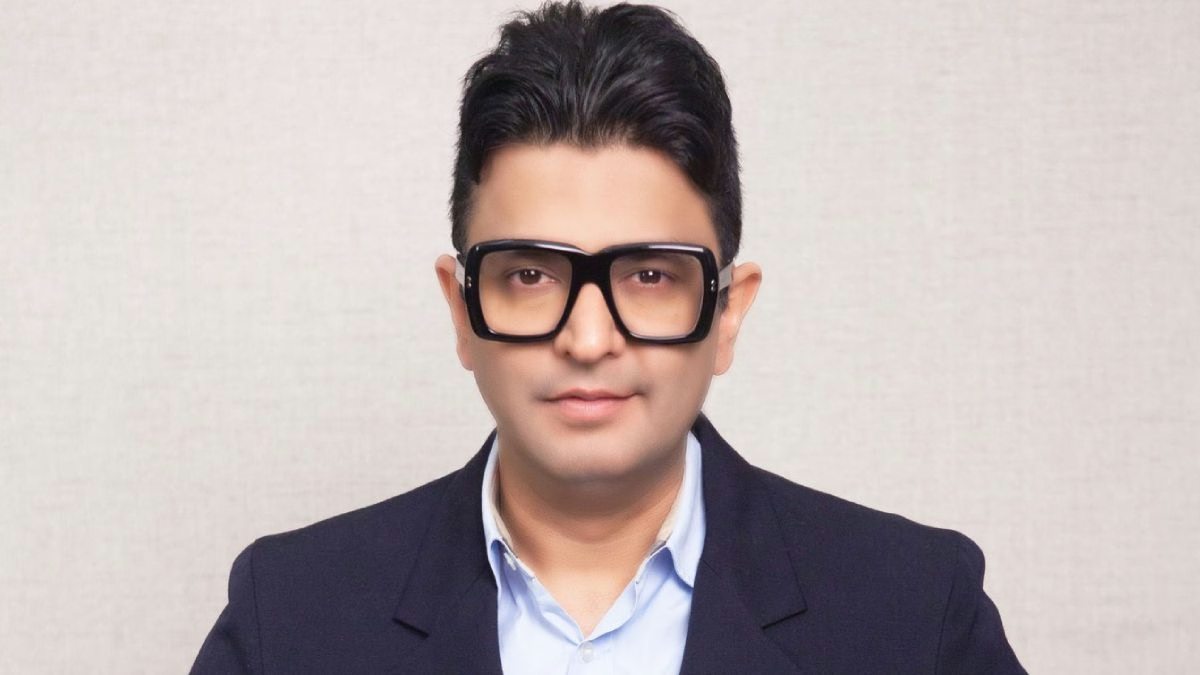
T-Series Pan-India Strategy: How Bhushan Kumar Is Redefining Indian Cinema
September 2, 2026
Bollywood
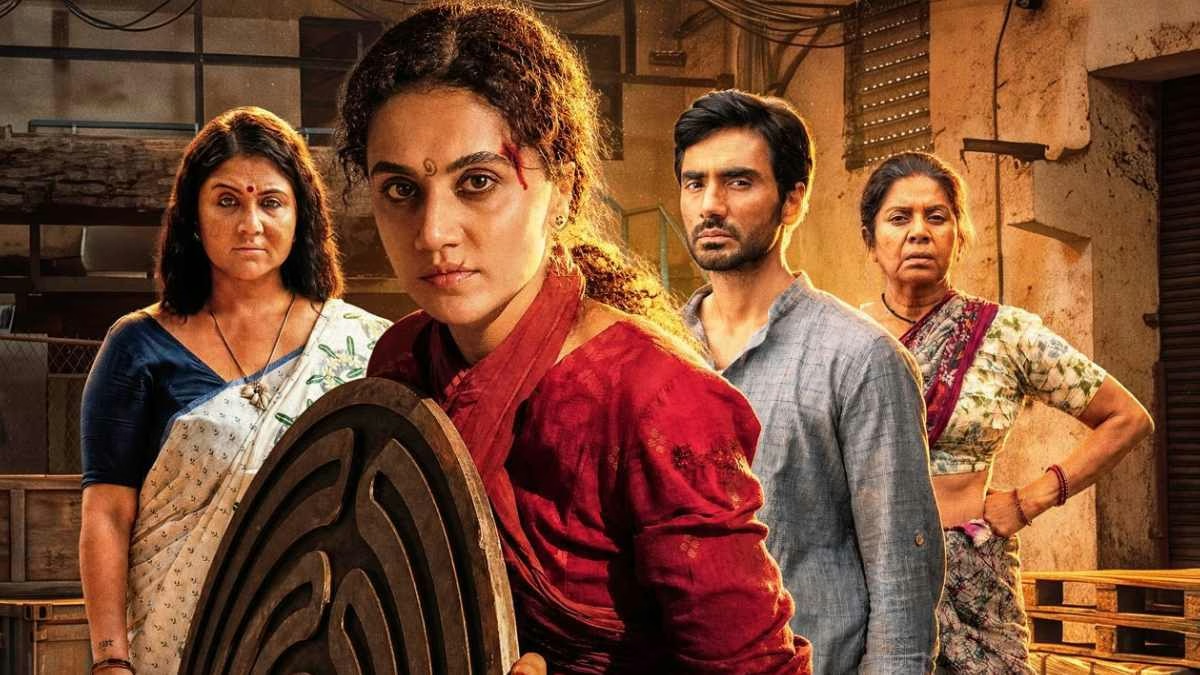
Gandhari Trailer Review: Taapsee Pannu's Fierce Mother
September 1, 2026
Bollywood
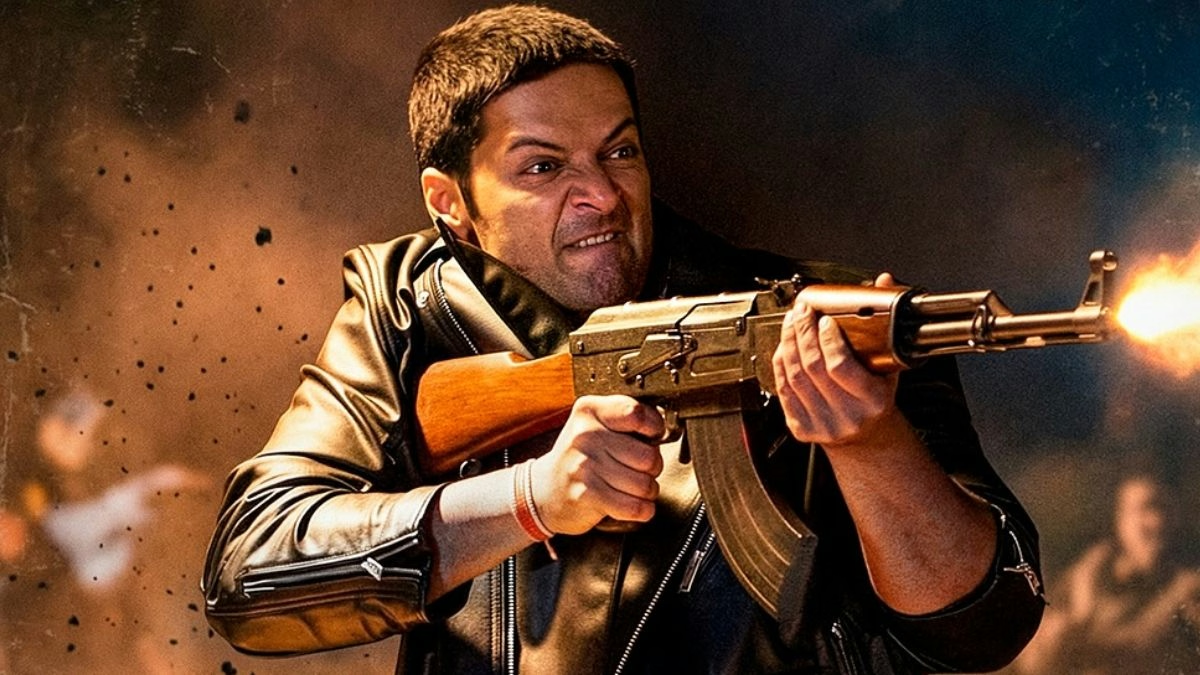
Ali Fazal Reveals Where Mirzapur: The Movie Picks Up
September 1, 2026
Bollywood
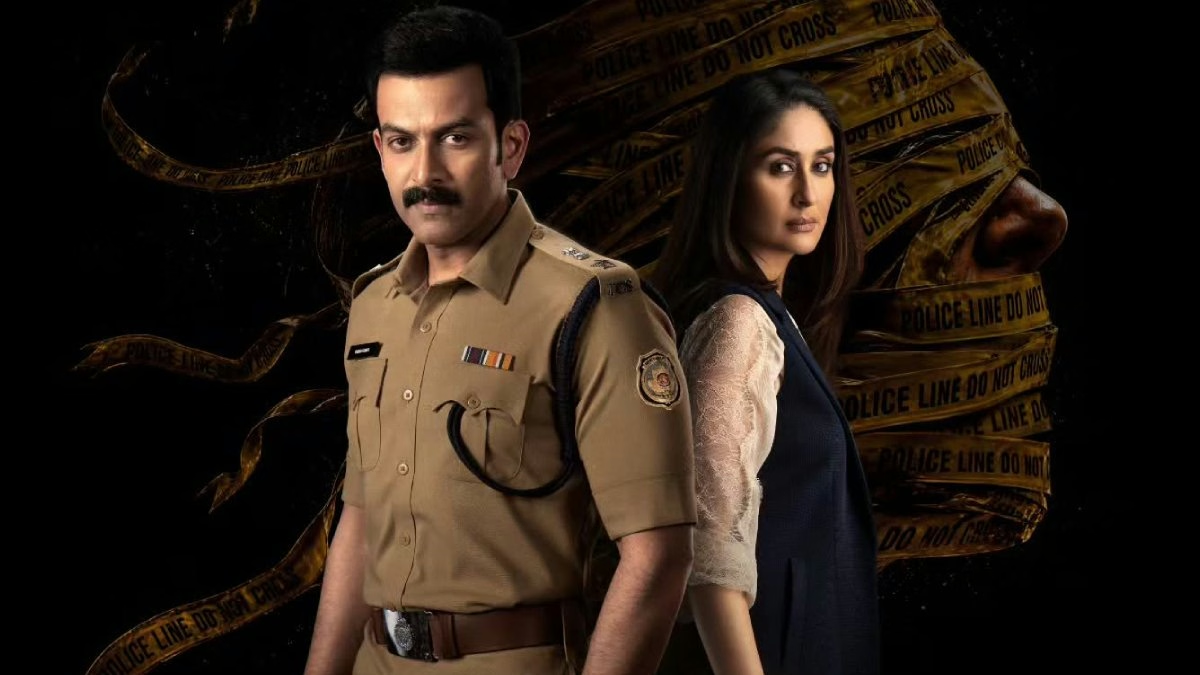
Daayra Poster Reveals Kareena & Prithviraj's Intense Showdown
September 1, 2026